Most dog owners have some idea of how their pet communicates with them. Barking, howling, whining, and the tipping of the head are the most common canine communication movements. However there are loads more ways your dog communicates or expresses himself and good pet wellness practices means knowing how to understand your dogs feelings through his communication techniques. This is especially important when dogs are living with small children.
Dogs communicate with body movements and sounds in order to convey signals to other dogs or humans. Here are some examples of canine communication that will help you better understand your dog's needs and moods.
Alertness
When the tail and ears are raised.
Fear
When the tail is tucked between the legs. The dog is defensive when the fur on the tail stands on end.
Curiosity
A slow wag of the tail and laid back ears.
Happiness
Wags tail rapidly.
Submission to pack leader (the dog's owner)
Hips are pulled with the wagging of the tail.
Expressions of the mouth demonstrate mood of the dog.
Wants to be left alone
Dog may yawn or lick it's mouth. This is also a sign of tiredness, confusion or stress.
Happy and wants to play
Panting with relaxed lips covering the teeth or with an open mouth.
Aggression or violence
Snarling with retracted lips and bared teeth and fangs. A vicious snarl showing all teeth is a sign that the dog will attack.
Shows interest
A raised eyebrow implies your dog is interested or curious in what he is seeing.
Confusion or mild anger
A lowered eyebrow
Fondness of someone
Narrowed eyes to slits demonstrates the dog's fondness of someone or something he is looking at.
Wants to be left alone
Half mooned eyes
Interest / trying to understand
The dog's head tips either left or right.
Excitement or need for attention
Stamping the foot while the hind legs are still
Playful or excited
Short sharp barks
Stressed or disturbed
A high pitch rhythmic bark
Feeling threatened and could attack
A soft, low pitch growl
An invitation to play
A powerful growl without showing teeth
Dog growls should be observed carefully. If your dog growls at kids or others it is possible he is being territorial. This can be corrected with the help of a trainer or canine specialist.
A sign of separation anxiety
Howling when the owner is leaving or is away. Howling can occur with loud noises as well, when the dog interprets the noise with another dog's howl.
The dog wants something or needs attention
Whining is a high pitched sound released through the nose with the mouth shut. When your dog does this it is a good pet wellness practice to pay attention and find out why he is needing your attention. A whining dog should not be ignored.
The dog is in pain
A whimper or yelp.
Strong excitement (such as when a dog sees his owner coming)
Whimpering along with licking, jumping and barking.
Strong pet wellness practices means that dog owners are able to read and understand their dog's feelings and ways of communicating. Observing and understanding these canine communication signals enables the owner to know how his dog is feeling, when he needs something, how his mood is, and how he is relating to other people.
Pet Wellness: Cat Pancreatitis Awareness
Pet wellness advice today takes a look at cat pancreatitis, the lack of awareness by cat owners, causes, care and preventative measures.
The job of the pancreas is to produce digestive enzymes and secrete hormones used in the metabolic process. Pancreatitis is inflammation of the pancreas, and when inflamed, the digestive enzymes break away causing damage to the pancreas and the liver.
When a dog has pancreatitis he will show signs of illness that make it obvious to his owner that something is wrong - usually vomiting and abdominal pain. The symptoms in cats however are more mild, easy to miss or be mistaken for something else.
Symptoms of Pancreatitis in Cats
The most common signs in a cat are lethargy and lack of appetite. However if you are a cat owner you know that cats often sleep and lounge all day and are picky eaters and it is for this reason that cat owners don't sense that something is wrong until it's too late.
Causes of the Disease
Although high in debate, traditional veterinarians tend to believe there is nothing specific that causes this disease in most pets. However, recent studies have shown that in a small percentage of pets pancreatitis has been linked to trauma of the pancreas, viral or parasitic infection, and exposure to organophosphates, which is a toxin commonly found in pesticides. Some medications are also considered to be the culprit of pancreatitis such as; Phenobarbital, Prednisone, other catabolic steroids, and Diuretic drugs.
Dr. Karen Becker tells me that in her experience the majority of cats with pancreatic illness first develop inflammation in their GI tract. You may be familiar with some of these conditions such as gastritis, colitis, irritable bowel syndrome and inflammatory bowel disease. Dr. Becker goes further into detail by saying that the underlying reason for a vast majority of GI tract inflammation in pets is food allergies.
Processed Pet Food and Pancreatitis
A majority of commercial cat food contains allergenic ingredients that a cat's GI tract objects to over time. If you're feeding him the same food 365 days a year, it is possible the cat can developed an allergy to the protein source in the food. Once again, we hear and read about the many evils of processed pet food, which is why pet wellness practices steer pet owners away from processed foods and closer to raw food diets and natural pet health care.
Another problem with processed pet food is it's lack of natural enzymes, which are biologically appropriate for your pet. Biologically appropriate food supplements the enzymes produced by the pet's body which reduces pancreatic stress. When a cat is fed only processed food, over time the cat's pancreas can develop chronic inflammation and stress from over working to produce the enzymes needed to digest it's meals.
The carbohydrate-dense ingredients in most commercial pet foods require high levels of insulin to process. This is also extremely taxing to the pancreas because the other job of the pancreas is to secrete insulin. When a cat's pancreas is over worked and can no longer do its job well, the result is pancreatitis.
Pet Wellness Advice: If Your Cat Has Been diagnosed with Pancreatitis
If your cat is vomiting, sluggish and shows loss of appetite or fever, it is imperative that you seek veterinary attention for your cat. Do not just assume this is a cat's normal behavior. Dr. Becker suggests the cat owner seek the professionalism of an integrative or holistic vet in order to best manage your cat's condition and get him back to good health.
Cat owners should also seriously consider their cat's diet and type of food intake. Turning their meals into natural / raw food is something many pet owners are taking on these days, and with the information we have on store bought pet food and pancreatitis, amongst many other various issues, utilizing the impact of natural pet health care is highly advised.
When your cat's pancreatic situation is stabilized, one of the best things you can do to reduce the risk of another flare up is to supplement his diet with digestive enzymes. You can do this by providing the cat a constant supply of enough digestive enzymes to help him process the food he consumes in order to reduce the workload on the pancreas and reduce organ stress.
a. The pet owner can feed him pancreatic tissue, an option that is quite unappealing to most pet owners.
b. The pet owner can add a digestive enzyme supplement to his cats' meals.
When it comes to domesticated companion animals the best pet wellness practice is to feed a raw diet and practice natural pet health care. There is no way however to provide these pets with the same level of naturally occurring enzymes they would find if they were feeding in the wild, so any domesticated pet can be enzyme deficient and requires a supplement in their daily meals.
Unfortunately, pancreatitis often reoccurs. It's a serious disease that can result in complications like diabetes, hepatic lipidosis, bleeding and clotting disorders, and even brain damage. For these reasons Dr. Becker suggests pet wellness practices be put into action by working with a holistic vet and use natural pet health care to keep your cat strong and healthy and to prevent reoccurring pancreatitis. She also recommends you give your cat a high quality probiotic and transition him to a carb and grain free protein diet to reduce the risk of future episodes of cat pancreatitis.
The job of the pancreas is to produce digestive enzymes and secrete hormones used in the metabolic process. Pancreatitis is inflammation of the pancreas, and when inflamed, the digestive enzymes break away causing damage to the pancreas and the liver.
When a dog has pancreatitis he will show signs of illness that make it obvious to his owner that something is wrong - usually vomiting and abdominal pain. The symptoms in cats however are more mild, easy to miss or be mistaken for something else.
Symptoms of Pancreatitis in Cats
The most common signs in a cat are lethargy and lack of appetite. However if you are a cat owner you know that cats often sleep and lounge all day and are picky eaters and it is for this reason that cat owners don't sense that something is wrong until it's too late.
Causes of the Disease
Although high in debate, traditional veterinarians tend to believe there is nothing specific that causes this disease in most pets. However, recent studies have shown that in a small percentage of pets pancreatitis has been linked to trauma of the pancreas, viral or parasitic infection, and exposure to organophosphates, which is a toxin commonly found in pesticides. Some medications are also considered to be the culprit of pancreatitis such as; Phenobarbital, Prednisone, other catabolic steroids, and Diuretic drugs.
Dr. Karen Becker tells me that in her experience the majority of cats with pancreatic illness first develop inflammation in their GI tract. You may be familiar with some of these conditions such as gastritis, colitis, irritable bowel syndrome and inflammatory bowel disease. Dr. Becker goes further into detail by saying that the underlying reason for a vast majority of GI tract inflammation in pets is food allergies.
Processed Pet Food and Pancreatitis
A majority of commercial cat food contains allergenic ingredients that a cat's GI tract objects to over time. If you're feeding him the same food 365 days a year, it is possible the cat can developed an allergy to the protein source in the food. Once again, we hear and read about the many evils of processed pet food, which is why pet wellness practices steer pet owners away from processed foods and closer to raw food diets and natural pet health care.
Another problem with processed pet food is it's lack of natural enzymes, which are biologically appropriate for your pet. Biologically appropriate food supplements the enzymes produced by the pet's body which reduces pancreatic stress. When a cat is fed only processed food, over time the cat's pancreas can develop chronic inflammation and stress from over working to produce the enzymes needed to digest it's meals.
The carbohydrate-dense ingredients in most commercial pet foods require high levels of insulin to process. This is also extremely taxing to the pancreas because the other job of the pancreas is to secrete insulin. When a cat's pancreas is over worked and can no longer do its job well, the result is pancreatitis.
Pet Wellness Advice: If Your Cat Has Been diagnosed with Pancreatitis
If your cat is vomiting, sluggish and shows loss of appetite or fever, it is imperative that you seek veterinary attention for your cat. Do not just assume this is a cat's normal behavior. Dr. Becker suggests the cat owner seek the professionalism of an integrative or holistic vet in order to best manage your cat's condition and get him back to good health.
Cat owners should also seriously consider their cat's diet and type of food intake. Turning their meals into natural / raw food is something many pet owners are taking on these days, and with the information we have on store bought pet food and pancreatitis, amongst many other various issues, utilizing the impact of natural pet health care is highly advised.
When your cat's pancreatic situation is stabilized, one of the best things you can do to reduce the risk of another flare up is to supplement his diet with digestive enzymes. You can do this by providing the cat a constant supply of enough digestive enzymes to help him process the food he consumes in order to reduce the workload on the pancreas and reduce organ stress.
a. The pet owner can feed him pancreatic tissue, an option that is quite unappealing to most pet owners.
b. The pet owner can add a digestive enzyme supplement to his cats' meals.
When it comes to domesticated companion animals the best pet wellness practice is to feed a raw diet and practice natural pet health care. There is no way however to provide these pets with the same level of naturally occurring enzymes they would find if they were feeding in the wild, so any domesticated pet can be enzyme deficient and requires a supplement in their daily meals.
Unfortunately, pancreatitis often reoccurs. It's a serious disease that can result in complications like diabetes, hepatic lipidosis, bleeding and clotting disorders, and even brain damage. For these reasons Dr. Becker suggests pet wellness practices be put into action by working with a holistic vet and use natural pet health care to keep your cat strong and healthy and to prevent reoccurring pancreatitis. She also recommends you give your cat a high quality probiotic and transition him to a carb and grain free protein diet to reduce the risk of future episodes of cat pancreatitis.
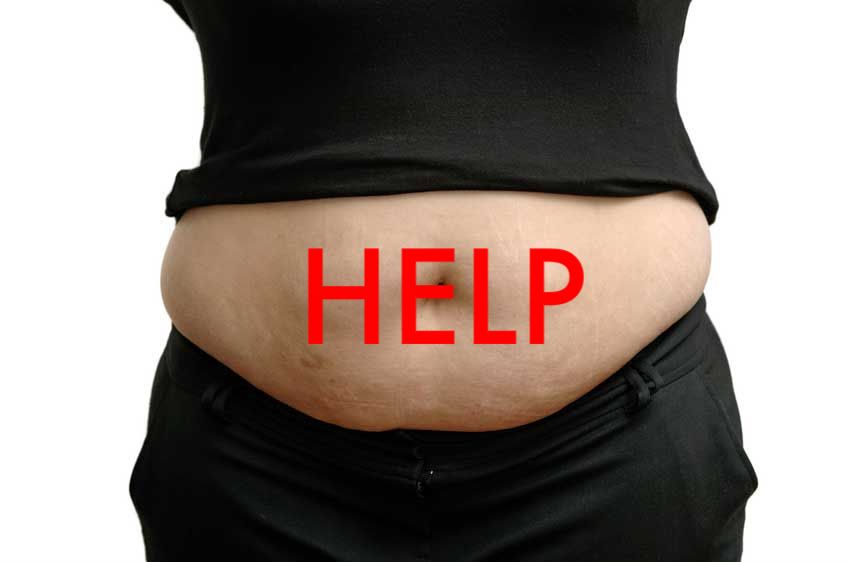
Help with Stomach Fat - 4 Reasons the Fat Won't Let Go
When your sporting a belly, even if your not concerned with your appearance, you should be concerned with the dangers you are living with on a daily basis that come with having too much fat on your stomach. Doctors around the globe agree that too much stomach fat is dangerous, particularly the stomach fat that surrounds the organs - this is the most dangerous fat that exists, which is why help with stomach fat is the most sought after help of people around the world.
Risks of too much stomach fat
Internal belly fat surrounds all vital organs inside the abdominal cavity. Too much fat can interfere with the body's natural physiological functions and lead to health issues such as:
Too much stomach fat also increases one's chances of getting these potentially life threatening diseases:
There are two ways you can do this.
1. Measure your stomach from the widest part - at the belly button. For a man - 40 inches around is a danger zone belly. For a woman - 35 inches around is a danger zone belly.
2. Divide your height in inches by 2. Your stomach circumference, measured as mentioned above, should not be more than half your inches in height.
If you find that you are NOT within the danger zone but know you are sporting a bit of a belly, you need to be conscious of making sure that you do not end up in the danger zone over a period of time, and it's usually only takes a very short time. Certain foods, lack of exercise, and sugar intake will quickly enlarge your stomach fat content. So be aware of the foods to avoid, the foods to adopt into your daily eating routine, and incorporate some exercise into your daily routine.
If you are in the danger zone then you need to jump on the band wagon with millions of other people and start embracing help with stomach fat. Everyone will, if they haven't already, tell you how difficult it is and how it is one of the hardest areas of fat to lose. True, but shedding fat, regardless of where it is, does require a constant effort and knowledge of the process, so as to increase your chances of success and have success within a shorter period of time.
4 Reasons many people are not able to melt off their stomach fat
1. Imbalance
When the mind is not at peace, not in balance.
This type of imbalance can come from running yourself ragged, not getting enough sleep, and stress. When the body is consumed with emotional and mental stress it naturally releases a fat storing hormone called Cortisol, which loves to send itself to the stomach area. Although we do not like this, it is a natural preservation technique that the body supplies when it feels it needs to protect itself. If your looking for help with stomach fat start with this point first. Get enough sleep, find a stress relief path that you enjoy and look forward to doing on a regular basis.
2. Dead Food
Dead food refers to food that is slowly killing you. Sugar filled, chemically stuffed, and over processed. These foods are fast foods, vending machine foods, sugar filled foods, boxed and packaged foods, etc. You get the drift. These foods are manufactured on a huge assembly line with man made preservatives, additives and chemicals in order to make them suitable for shelf life. Remove these foods from your diet as much as possible to gain ground for help with stomach fat loss.
A. Obesity Additives
Of the toxic foods mentioned above, Fitness expert Josh Bergoni talks about the 7 "Obesity Additives", as he likes to them, because they have a huge negative impact on health and waistlines.These 7 Obesity Additives have the following effect on the body:
B. Uncontrollable Cravings
If you are eating junky, unhealthy, vitamin less, dead food, you may not realize it but your body is severely undernourished and starving for certain nutrients. Neglecting to regularly feed your body with the proper nutrients will cause the brain to constantly nag the stomach that it is hungry and this is where cravings and hunger enter the picture on a regular basis. So in a nutshell eating dead food is actually starving the body causing cravings and hunger to spiral out of control - a control that you need to take back.
C. Toxic Waste Upsurge
Bluntly what I mean by toxic waste is... stool. You may think that your belly bulge is only fat, however it isn't. Poor nutrition and eating too much dead food causes waste back up in the colon and intestines, giving a permanent bloated appearance and feeling. After a short while a person gets used to the feeling of being bloated, doesn't really notice it anymore but will still be bloated, increasing the size of the stomach. If this isn't enough, the digestive system gets polluted, clogged, and cannot efficiently absorb healthy proteins, carbs, water, minerals, essential fats, vitamins and phytonutrients. The body needs these in order to burn fat regularly and normally at an accelerated rate. Needless to say, in order to fight hunger one needs to keep their digestive system unsoiled and unpolluted.
3. Your Metabolism is Kaput
Metabolism plays a big role in continuous weight loss. At first, when a person wants to lose weight they begin by cutting calories and for a short time they will experience weight loss. However, calorie restriction will soon play havoc with your metabolism for these reasons:
A. Not Eating Enough Food at the Right Times
1. Because your body is not getting the nutrients it requires, cravings and hunger pains set in. This usually very quickly breaks most people, causing them to lose control, over eat, ignore the diet and often times they end up putting on more fat then they started with.
2. Within a week of dieting the weight loss hormones, leptin and thyroid, that are responsible for keeping your metabolism boosted, begin to slow down and this causes the body to keep calories.
When these two things happen, insulin (fat burning hormone) goes crazy, and cortisol, which is responsible for storing stomach fat goes sky high. This is where the weight loss comes to a screeching halt, leaving you wondering why on earth you are not losing anymore weight.
B. Not Eating Enough "High Burn" Foods
The good news is that there are foods that will ignite metabolism. These "Thermal Burn" foods are ones that you can eat practically without any calorie intake. These are the foods you need to be focusing on in order to keep your metabolism boosted and working toward your efforts. There are however, also foods that stomp down the metabolism. It is important to remember that calories from different type foods, once inside the body, have a different effect. When you are seriously embracing the necessary things to do to get help with stomach fat loss, you must be sure to eat foods that help ignite the metabolism. Foods for stomach fat loss
4. Lack of Support
A recent study at Department of Nutrition, Harvard School of Public Health, showed that people who have a support group or networking system lost 225% more weight over a two year study time, as opposed to those who had no support.
Gaining ground for stomach fat loss means learning the right foods to eat and learning to eat them. Also on the list is getting stress relief, proper sleep, and eating the right foods at the right time to prevent calorie restriction. To get the most help with stomach fat loss get rid of obesity additive foods and dead foods, and find a support group or friend to take the stomach fat loss journey with.
Risks of too much stomach fat
Internal belly fat surrounds all vital organs inside the abdominal cavity. Too much fat can interfere with the body's natural physiological functions and lead to health issues such as:
- Insomnia
- Headaches
- Depression
- Joint pain
- Anxiety
- Infertility
- Low energy
- High blood pressure
- Allergies
- High cholesterol
Too much stomach fat also increases one's chances of getting these potentially life threatening diseases:
- Heart disease
- Certain cancers
- Diabetes
- Alzheimer's
- A stroke
There are two ways you can do this.
1. Measure your stomach from the widest part - at the belly button. For a man - 40 inches around is a danger zone belly. For a woman - 35 inches around is a danger zone belly.
2. Divide your height in inches by 2. Your stomach circumference, measured as mentioned above, should not be more than half your inches in height.
If you find that you are NOT within the danger zone but know you are sporting a bit of a belly, you need to be conscious of making sure that you do not end up in the danger zone over a period of time, and it's usually only takes a very short time. Certain foods, lack of exercise, and sugar intake will quickly enlarge your stomach fat content. So be aware of the foods to avoid, the foods to adopt into your daily eating routine, and incorporate some exercise into your daily routine.
If you are in the danger zone then you need to jump on the band wagon with millions of other people and start embracing help with stomach fat. Everyone will, if they haven't already, tell you how difficult it is and how it is one of the hardest areas of fat to lose. True, but shedding fat, regardless of where it is, does require a constant effort and knowledge of the process, so as to increase your chances of success and have success within a shorter period of time.
4 Reasons many people are not able to melt off their stomach fat
1. Imbalance
When the mind is not at peace, not in balance.
This type of imbalance can come from running yourself ragged, not getting enough sleep, and stress. When the body is consumed with emotional and mental stress it naturally releases a fat storing hormone called Cortisol, which loves to send itself to the stomach area. Although we do not like this, it is a natural preservation technique that the body supplies when it feels it needs to protect itself. If your looking for help with stomach fat start with this point first. Get enough sleep, find a stress relief path that you enjoy and look forward to doing on a regular basis.
2. Dead Food
Dead food refers to food that is slowly killing you. Sugar filled, chemically stuffed, and over processed. These foods are fast foods, vending machine foods, sugar filled foods, boxed and packaged foods, etc. You get the drift. These foods are manufactured on a huge assembly line with man made preservatives, additives and chemicals in order to make them suitable for shelf life. Remove these foods from your diet as much as possible to gain ground for help with stomach fat loss.
A. Obesity Additives
Of the toxic foods mentioned above, Fitness expert Josh Bergoni talks about the 7 "Obesity Additives", as he likes to them, because they have a huge negative impact on health and waistlines.These 7 Obesity Additives have the following effect on the body:
- 1. Two of these additives interfere with a hormone called leptin which sends a signal from our stomachs to our brains to tell us we’re full. Without this signal we keep eating and eating.
- Other Obesity Additives create weight gain by causing hormone imbalances.
- Another additive (in excess) can cause a mineral imbalance in your body that causes you to become “bloated” with water weight all the time.
- Science has proven that some Obesity Additives actually cause addiction and causes people to eat uncontrollably by altering brain chemicals called neurotransmitters. Ever wonder why you can't each just one?
B. Uncontrollable Cravings
If you are eating junky, unhealthy, vitamin less, dead food, you may not realize it but your body is severely undernourished and starving for certain nutrients. Neglecting to regularly feed your body with the proper nutrients will cause the brain to constantly nag the stomach that it is hungry and this is where cravings and hunger enter the picture on a regular basis. So in a nutshell eating dead food is actually starving the body causing cravings and hunger to spiral out of control - a control that you need to take back.
C. Toxic Waste Upsurge
Bluntly what I mean by toxic waste is... stool. You may think that your belly bulge is only fat, however it isn't. Poor nutrition and eating too much dead food causes waste back up in the colon and intestines, giving a permanent bloated appearance and feeling. After a short while a person gets used to the feeling of being bloated, doesn't really notice it anymore but will still be bloated, increasing the size of the stomach. If this isn't enough, the digestive system gets polluted, clogged, and cannot efficiently absorb healthy proteins, carbs, water, minerals, essential fats, vitamins and phytonutrients. The body needs these in order to burn fat regularly and normally at an accelerated rate. Needless to say, in order to fight hunger one needs to keep their digestive system unsoiled and unpolluted.
3. Your Metabolism is Kaput
Metabolism plays a big role in continuous weight loss. At first, when a person wants to lose weight they begin by cutting calories and for a short time they will experience weight loss. However, calorie restriction will soon play havoc with your metabolism for these reasons:
A. Not Eating Enough Food at the Right Times
1. Because your body is not getting the nutrients it requires, cravings and hunger pains set in. This usually very quickly breaks most people, causing them to lose control, over eat, ignore the diet and often times they end up putting on more fat then they started with.
2. Within a week of dieting the weight loss hormones, leptin and thyroid, that are responsible for keeping your metabolism boosted, begin to slow down and this causes the body to keep calories.
When these two things happen, insulin (fat burning hormone) goes crazy, and cortisol, which is responsible for storing stomach fat goes sky high. This is where the weight loss comes to a screeching halt, leaving you wondering why on earth you are not losing anymore weight.
B. Not Eating Enough "High Burn" Foods
The good news is that there are foods that will ignite metabolism. These "Thermal Burn" foods are ones that you can eat practically without any calorie intake. These are the foods you need to be focusing on in order to keep your metabolism boosted and working toward your efforts. There are however, also foods that stomp down the metabolism. It is important to remember that calories from different type foods, once inside the body, have a different effect. When you are seriously embracing the necessary things to do to get help with stomach fat loss, you must be sure to eat foods that help ignite the metabolism. Foods for stomach fat loss
4. Lack of Support
A recent study at Department of Nutrition, Harvard School of Public Health, showed that people who have a support group or networking system lost 225% more weight over a two year study time, as opposed to those who had no support.
Gaining ground for stomach fat loss means learning the right foods to eat and learning to eat them. Also on the list is getting stress relief, proper sleep, and eating the right foods at the right time to prevent calorie restriction. To get the most help with stomach fat loss get rid of obesity additive foods and dead foods, and find a support group or friend to take the stomach fat loss journey with.
Pet Wellness Driving Safety - Don't Be Brainless!
Car accidents are caused by many different situations. Some involve unsafe, inconsiderate drivers, others are caused by texting while driving, drunk drivers, and drivers driving unsafely with their dog. You would be surprised as to how many pets, owners, and other drivers are killed or severely injured due to an accident caused by a dog roaming freely in the car. Pet wellness refers to pets and people, so today let us learn how to drive safely with a dog so as to keep yourself, your dog and other people safe on the road.
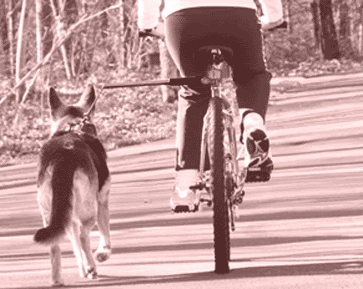
Who's dog does not like to go for a car ride? I don't believe I am aware of a single dog amongst all my friends that does not like to go for a drive. The one exception I know off is my Saluki, Mystic Moon. He goes crazy for a bike run and not so much interested in driving in the car. However, even if your dog doesn't care much for a drive, there will still be times when he has to go in the car and safety rules, just like for our kids and ourselves, also apply to our dogs.
So what has made me seek out, research, and share this topic? Recently I visited a close friend in the hospital who was severely injured in a car accident that she admits was her fault because of her dog. His head was hanging out the window, which makes my friend nervous that he will fall out so instead of paying attention to the road she was watching to ensure her dog does not fall out of the car. She looked only for a second but that was all it took. The family in the other car, including both parents and their 2 children were severely injured and hospitalized as well. My friends dog was also injured and because the ambulance drivers tended to the people injuries first, her dog died at the scene of the accident.
I listened to my friend cry in the hospital bed at the fact that she was so stupid and insensitive - she knows how much her dog loves to hang his head out the window and she just wanted him to enjoy himself. But this also made her inconsiderate of the safety of other drivers and the safety of her dog.
While in the waiting room of the hospital, I met the parents of the couple in the other car. I went to speak to them to see how the parents and kids were doing and as they cried the mother shouted at me and said, "You people and your damn dogs! It's all you care about even more than children!" At the scene of the accident, my friend had admitted to the police that the accident was her fault and why. The police had communicated this to the parents of the car that was hit. I was gutted, and although an avid dog lover I could understand that woman's anger.
Being pet wellness savvy means knowing it is our responsibility to ourselves and others we share the road with, to ensure we follow the rules for safe driving. Here are some things every dog owner must remember in order to contribute to safer roads, safer driving, and pet wellness.
1. Head hangers and jumpers
Dogs just love to hang their head and often times paws, out an open window and feel the wind in their hair and watch all that goes by. If you are sure your dog won't jump - ever consider thinking again. It has happened many times and the first thing the owner says is, "He hangs his head out the window all the time and he never jumped before!" You think your dog is too intelligent to do something we consider so stupid? Dogs don't think like us. They are not aware of the many dangers and often times they become so interested in something they see they actually think they can make the jump - totally unaware that they can be hit by an on coming car or badly injured once they hit the pavement.
There are four main dangers with head hangers and jumpers.
Who's dog does not like to go for a car ride? I don't believe I am aware of a single dog amongst all my friends that does not like to go for a drive. The one exception I know off is my Saluki, Mystic Moon. He goes crazy for a bike run and not so much interested in driving in the car. However, even if your dog doesn't care much for a drive, there will still be times when he has to go in the car and safety rules, just like for our kids and ourselves, also apply to our dogs.
So what has made me seek out, research, and share this topic? Recently I visited a close friend in the hospital who was severely injured in a car accident that she admits was her fault because of her dog. His head was hanging out the window, which makes my friend nervous that he will fall out so instead of paying attention to the road she was watching to ensure her dog does not fall out of the car. She looked only for a second but that was all it took. The family in the other car, including both parents and their 2 children were severely injured and hospitalized as well. My friends dog was also injured and because the ambulance drivers tended to the people injuries first, her dog died at the scene of the accident.
I listened to my friend cry in the hospital bed at the fact that she was so stupid and insensitive - she knows how much her dog loves to hang his head out the window and she just wanted him to enjoy himself. But this also made her inconsiderate of the safety of other drivers and the safety of her dog.
While in the waiting room of the hospital, I met the parents of the couple in the other car. I went to speak to them to see how the parents and kids were doing and as they cried the mother shouted at me and said, "You people and your damn dogs! It's all you care about even more than children!" At the scene of the accident, my friend had admitted to the police that the accident was her fault and why. The police had communicated this to the parents of the car that was hit. I was gutted, and although an avid dog lover I could understand that woman's anger.
Being pet wellness savvy means knowing it is our responsibility to ourselves and others we share the road with, to ensure we follow the rules for safe driving. Here are some things every dog owner must remember in order to contribute to safer roads, safer driving, and pet wellness.
1. Head hangers and jumpers
Dogs just love to hang their head and often times paws, out an open window and feel the wind in their hair and watch all that goes by. If you are sure your dog won't jump - ever consider thinking again. It has happened many times and the first thing the owner says is, "He hangs his head out the window all the time and he never jumped before!" You think your dog is too intelligent to do something we consider so stupid? Dogs don't think like us. They are not aware of the many dangers and often times they become so interested in something they see they actually think they can make the jump - totally unaware that they can be hit by an on coming car or badly injured once they hit the pavement.
There are four main dangers with head hangers and jumpers.
- The dog will injure himself in the jump.
- The dog is likely to be hit by an on coming car.
- On coming cars, who try to avoid hitting a dog that has come out of nowhere is likely to have an accident with another car.
- The driver, for fear the dog may fall out the window, keeps one eye on the dog and one eye on the road. This can cause an accident. Or a driver seeing his dog fall or jump out the window, panics and causes an accident.
- The dog can sustain eye injuries from flying particles in the air. This type of injury can cause corneal and ulcers in the eye. Painful for your dog and heavy on the pocket book for vet care.
2. Driver Distraction
Whether you care to admit it or not, dogs moving back and forth from one seat to another does distract the driver.
Here are some things that can happen when the driver is distracted by a dog jumping around the car.
Whether you care to admit it or not, dogs moving back and forth from one seat to another does distract the driver.
Here are some things that can happen when the driver is distracted by a dog jumping around the car.
- A dog jumping on the drivers lap while driving causes distraction and can limit the drivers view of the road. Struggling to get the dog off the lap and struggling to see the road can cause the driver to have an accident
- A dog moving freely around the car can cause distraction to the driver if the dog falls off the seat when the car comes to a stop, or if the driver has to stop suddenly. How many times has another driver cut you off and you have to put on the breaks suddenly? Or even if your dog is nicely sitting in the front seat, not moving around, he can fall off the seat and although perhaps not a serious situation, this distracts the driver causing an accident.
- Your dog could lose his footing due to the movements of the car and slam his head into the dashboard. According to my vet, this is more common than people think.
- Medium to large size dogs can block the drivers view of the rear and side view mirrors.
As much as you may hate to admit it, when a dog is sitting on the drivers lap while driving, it slows the drivers reaction time. The drivers ability to drive efficiently and act quickly is impaired. It also limits the drivers view of the road and turning the steering wheel is also more difficult.
4. Car Floor Movers
Many dogs and cats like to move around on the floor of the car. Well what do you think can happen if your dog or cat moves onto one the foot pedals? Yes, not something you or your fellow drivers want to experience because this is a solid accident about to happen. When this happens, forget that the driver is not pet wellness savvy - he is just plain inconsiderate and stupid.
5. Airbags and your dog
Airbags and dogs don't do well together. If an airbag is released it will seriously injure your dog. It is for this reason amongst many others a dog needs to ride in the backseat of the car.
Obviously this is not limited to only a car. The same goes for people that allow a dog to sit in the back bed of a truck while it's moving!
Pet Wellness Car Safety Rules
Pet wellness car safety rules say you can make your dog's ride in the car safe for him, yourself and other drivers by simply restraining him properly in the back seat. I know! My friends tell me how hard it is because they like to pet their dog while driving or enjoy him sitting next to them or on their lap. But, we don't let out kids drive unrestrained do we? They are in car seats or seat belts. Your dog, no matter how small, must be given the same rules when driving in the car.
To properly restrain your dog in the back seat use a seat belt or car seat specially designed for dogs and come in various sizes. Your dog can still feel the wind from an open window but the window should not be down so far that he can hang his head out. Dog owners who like to pet their dog while driving can still do so by reaching to the back seat - but this should be done only when the car is at a complete stop.
Pet wellness while driving advices safety first and pleasure later. Do not allow your precious pet to be the cause of an accident- because at the end of the day, when the accident or injury happens it will not be your dog's fault it will be yours. If your anything like my friend, you won't recover from knowing you were responsible for taking a life.
Chlorella Detoxing - A Potent Detox and Mercury Removal
Heavy metal toxicity, just like chemical toxicity, has become one of the most pressing health hazards of our day. These mercury levels come from silver (mercury) fillings, vaccines, seafood, everyday cookware, and the air we breathe. One of the major routes of exposure to heavy metals in the United States, aside from vaccines and dental fillings, is eating fish, which is a real shame because seafood has many healthy qualities and is also the preferred food for dieters. For these reasons amongst many others, detoxing the body has become something of a norm for many people looking to stay healthy, fit, and have a longer life span.
With the information we have these days about the air we breathe, the toxins we ingest without even realizing it and the dishonest food manufacturers and even government bodies, detoxing is a necessity and not always an easy task to undertake.
Thanks to Dr. Ginny Bank, we now know of a food that flushes heavy toxins from the body at a powerful rate and offers other tremendous benefits to the body and even the mind.
Chlorella - a single-celled fresh water algae - is often referred to as a near-perfect food, as its range of health benefits is truly astounding. It's no wonder Dr. Bank refers to chlorella as a "phenomenal nutrient." It has the ability to detox your body by binding toxins such as mercury and cart them out of the body. But there is more -
- Chlorella is a huge benefit to vegetarians and vegans who want protein and B vitamins from a non animal food source.
- Chlorella is about 60 percent protein, and is considered to be a “complete protein” source because it contains all the essential amino acids your body needs.
- It enhances the immune system and reduces cancer risk
- It normalizes blood sugar and blood pressure
- It repairs nerve tissues
- Improves digestion
- Promotes healthy pH levels in the gut, which in turn helps good bacteria to thrive
- Enhances the ability to focus and concentrate
- Increases energy levels
Chlorella is a Potent Detox Agent
Dr Bank explains "Chlorella plays a particularly crucial role in systemic mercury elimination, because the majority of mercury is rid through your stool. Once the mercury burden is lowered from your intestines, mercury from other body tissues will more readily migrate into your intestines -- where chlorella will work to remove it. Ideally you would need to take it with a meal so it binds directly to the toxins while they are in your gut, before they absorbed into your body." This would be a most suitable tablet to take when consuming seafood meals.
Chlorella's cleansing action on your bowel and other elimination channels, as well as its protection of your liver, also helps promote clean blood, which helps assure metabolic waste gets efficiently carried away from your tissues.
The Fundamental Detail of Chlorella
The key to chlorella’s detoxing abilities lies within the membrane of this single cell, but the wall of that cell is indigestible. However with the "broken cell wall" chlorella has been rendered digestible. When searching for chlorella tablets it is vital that the packaging tells you that the "cell wall is broken." Without the cell wall being broken you are gaining none of the benefits of chlorella. So take care when buying your tablets and be sure to check the label.
There are only a few producers of chlorella in the world who provide the raw material to manufacturers, who then process and package it. Reputable companies, will adhere to certain processes that increase your chances of getting the levels of nutrients stated. Manufacturers who are known for quality will make sure they receive a certificate of analysis from the producer of the raw material, and will get batches evaluated by an independent third party on a regular basis to ensure consistency.
As with any supplement, different brands of chlorella will be available. Potency and purity are extremely important so make sure you purchase from a reputable source and check the labeling as suggested above.
How to Use Chlorella for Heavy Metal Detoxing
In order to optimize heavy metal detoxing, you’ll want to take at least 4 grams of chlorella every day. Dr. Bank recommends taking it once a day in the morning. Typically the tablets come in 500 mg each so you would need to take eight tablets a day.
It is not at all unusual for some people to experience slight nausea and mild diarrhea initially, due to the toxins being carted out of the body. If you find this is the situation for you, don't panic. Simply introduce chlorella slowly into your system by gradually building the intake to the eight tablets a day. This means you start with a lower dose and increase it gradually until you have reached the ability to comfortably take eight tablets a day. Taking chlorella with food will also help alleviate any nausea.
A User Friendly Detoxing Agent
Chlorella as a detoxing agent is a most suitable choice for those who want animal proteins without eating animals. It is also easy to take, as it comes in tablet form, which means no awful tasting large amount of fluids to drink like other detox agents. If the side effects are too much for you, you can slowly increase the dosage as opposed to just throwing it out because you can't handle the awful taste or side effects. This makes Chlorella a user friendly detoxing agent.
Remember to check labels carefully when sourcing out chlorella in order to gain it's maximum benefits as a detoxing agent and be worth your hard earned money.
Labels:
chlorella,
detox agents,
detoxing,
detoxing agents
Dog Wellness - Hyperthyroidism
It's a common condition and most owners don't realize that this condition in fact does affect dogs. The symptoms can be confusing causing dog owners to downsize the reality that something is wrong. Today, with our precious dogs in mind, dog wellness practices will bring to the attention of dog owners the condition of Hypothyroidism - the symptoms, how it is treated, and dog wellness practices once your pet returns home.
Hypothyroidism is a disorder of the thyroid gland. This gland is responsible for producing and secreting thyroid hormone (thyroxine). Thyroxine is the hormone responsible for regulating the metabolic rate of many different tissues in the body. When hypothyroidism sets in, not enough thyroxine is produced, causing the metabolism of the different tissues to slow down.
Hypothyroidism is the most common hormonal disorder in dogs and often develops between the ages of 4 to 10 years, and more commonly with castrated males and spayed females. Certain breeds of dogs are prone to this disorder such as the Golden Retriever, Doberman Pinscher, Greyhound, Irish Setter, Dachshund, Miniature Schnauzer, Great Dane, Poodle, and Boxer.
Sign To Be Aware Of
Good dog wellness practices means being clued into the clinical signs, which are usually non-specific, and slow to develop. There is no one symptom in which to recognize this disorder, however combined symptoms is what a vet will use to determine the possibility of the disorder in a dog. However, as a dog owner it is up to you to first recognize the signs so you can seek the attention of a vet.
Symptoms to look out for
- Lethargy, increased sleeping time
- Depression
- Tires easily during exercise or is suddenly not interested in exercising at all.
- Weight gain without an increase in food
- Feeling cold or not liking the cold
- Slow heart rate
- Diarrhea
- Infertility
- Constipation
- Dry skin, thinning of hair coat or excessive hair loss or slow growth of new hair
- Neurologic signs
- Hormonal abnormalities
Diagnosis
Unfortunately this disorder is not always straight forward to diagnose and various tests are required to get a diagnosis. These tests include:
- History of the dog
- Clinical signs
- A complete physical examination
- Diagnostic tests
Treatment
Luckily hypothyroidism is treatable with daily doses of synthetic thyroxine administered daily, and usually for the remainder of the dogs life.
Dog Wellness At Home
Once the dog has been diagnosed and treatment has been subscribed, it is very important that the owner pay close attention to the dog over the course of each day. Look for improvement in the clinical signs or no improvement at all. Take care when medication is administered. Over dosage can cause hyperactivity and weight loss and the owner must never decide on his own to increase the dosage. The vet will have his own procedure for monitoring the dog such as scheduled blood tests in order to ensure dosage is of medication is adequate.
There are no effective ways to prevent hypothyroidism. The good news is that treatment works and most symptoms usually disappear with a 2-3 weeks.
Pet Wellness - Laceration First Aid and Care
Pet wellness, particularly with dogs and cats requires that owners know how to deal with certain injuries regardless of how large or small. Of course emergencies require the professionalism of a vet or a phone call to one. However, smaller injuries can be treated at home successfully, ensuring the quick well being and comfort of your pet when injured with a laceration.
Lacerations are quite common in dogs and cats and are usually due to bite wounds, or cuts that happen in the yard from a sharp nail, or a worn out fence. Pet wellness advise today will help you deal with lacerations calmly and confidently, so as to ensure your pets well being. You will learn what medicines to give, what is safe and what is dangerous.
You will want to consider ensuring this information is printed and easily accessible for when you need it. Placing it in your first aid kit will it make user friendly in the case of a laceration emergency.
What is a laceration?
A laceration is simply a tearing of tissue. The edges of the tear can be smooth, jagged or irregular. When a laceration occurs there can be damage to underlying tissues and structures. Muscles, tendons, nerves and blood vessels can be damaged as well. Needless to say, the deeper the cut the deeper the damage goes.
Deep lacerations can cause brutal damage to underlying structures and this can often times be life threatening, where as minor trauma may only turn out skin damage. Contamination from debris, bacterial and dirt are often the cause for more serious damage and infection.
Common Causes of Lacerations
The degree and depth of the laceration will dictate the treatment required. Obviously if your pet has symptoms of bleeding heavily, not able to move or walk, is crying in pain, or the wound looks too deep then it is safe to assume the injury is serious and pet should be taken to the vet. However, If you are not sure how serious the situation is and your pet does not have any of the above mentioned symptoms then you can phone your vet and describe the situation in order to see if the animal needs the attention of a vet or if you can treat his wound at home.
At Home Treatment for Minor Laceration
1. Flush wound heavily but gently with lukewarm water. A good way to do this if you can is to use a syringe. Draw up the lukewarm water into the syringe and squirt it into the wound. This will remove any debris from the wound. DO NOT ALLOW THE NEEDLE OR THE SYRINGE TO TOUCH YOUR PETS WOUND. You are using water pressure to remove debris from the wound. A turkey baster can also be used in place of a syringe. Make sure the water pressure is gentle enough that it will not hurt or break the wound more.
2. While you are cleaning – you can better evaluate the wound. If the laceration appears superficial – you may be done with cleaning it. Dry the area around the wound.
If the wound is deep or draining – the best thing to do is see your veterinarian. Some deeper or draining wounds can benefit from a bandage. BE CAREFUL WITH BANDAGES. Most bandages that veterinarians see that are applied by owners are done incorrectly and add damage to the wound.
See the vet if:
4. Do not allow the pet to disturb or bother the wound. Try and cover the wound or use an e-collar. An e-collar is a cone shaped collar that goes around the neck to prevent the pet from licking or chewing the wound or bandage. e-collars
At the start of this article I mentioned good pet wellness practices require pet owners to have a first aid box for pet injuries. Along with that, and in order to act as fast as possible, ensure the required bandages and collar are at your reach by housing them in your home for situations such as this. You don't want to be running around looking for the right bandages and collars at the time your pet needs you most. So have it all ready in the event of a laceration injury.
Pet wellness means ensuring proper safety for your pet. Keep a close eye on your yard and garage area and other place around your home your pet visits. Make sure it is free of anything that can cause a laceration or any other type of injury to your pet.
Lacerations are quite common in dogs and cats and are usually due to bite wounds, or cuts that happen in the yard from a sharp nail, or a worn out fence. Pet wellness advise today will help you deal with lacerations calmly and confidently, so as to ensure your pets well being. You will learn what medicines to give, what is safe and what is dangerous.
You will want to consider ensuring this information is printed and easily accessible for when you need it. Placing it in your first aid kit will it make user friendly in the case of a laceration emergency.
What is a laceration?
A laceration is simply a tearing of tissue. The edges of the tear can be smooth, jagged or irregular. When a laceration occurs there can be damage to underlying tissues and structures. Muscles, tendons, nerves and blood vessels can be damaged as well. Needless to say, the deeper the cut the deeper the damage goes.
Deep lacerations can cause brutal damage to underlying structures and this can often times be life threatening, where as minor trauma may only turn out skin damage. Contamination from debris, bacterial and dirt are often the cause for more serious damage and infection.
Common Causes of Lacerations
- Cuts from glass or sharp objects
- Rough wires and fencing
- Being hit by a car
- Jumping through a glass window (yes it does happen! Often when the animal is chasing something and doesn't realize that a door or window is not open but instead glassed off)
- Bite wounds
The degree and depth of the laceration will dictate the treatment required. Obviously if your pet has symptoms of bleeding heavily, not able to move or walk, is crying in pain, or the wound looks too deep then it is safe to assume the injury is serious and pet should be taken to the vet. However, If you are not sure how serious the situation is and your pet does not have any of the above mentioned symptoms then you can phone your vet and describe the situation in order to see if the animal needs the attention of a vet or if you can treat his wound at home.
At Home Treatment for Minor Laceration
- Asses the pets wound(s). Take care not to bitten when assessing the wound. If pet is in pain he may nip or bite. If so contact your vet. Do the emergency signs suggested above apply? If so, contact your vet immediately.
- If wound is bleeding use a clean cloth and gently apply pressure to the wound. Again, heed caution, as this may be painful to your pet.
- If the wound is shallow, place your pet in a comfortable position and ensure you have good lighting. Ask someone to hold a flashlight for you if necessary. Clip carefully and slowly around the wound. Avoid getting hair in the wound. To do this use KY jelly in the wound to protect it while clipping. The hair will stick to the jelly instead of the wound.
- Evaluate the size and extent of the wound. If deeper than the full thickness of the skin, or if it is bleeding profusely, or if the wound is longer that 1 inch then it is necessary to contact your vet as the wound will likely require suturing.
1. Flush wound heavily but gently with lukewarm water. A good way to do this if you can is to use a syringe. Draw up the lukewarm water into the syringe and squirt it into the wound. This will remove any debris from the wound. DO NOT ALLOW THE NEEDLE OR THE SYRINGE TO TOUCH YOUR PETS WOUND. You are using water pressure to remove debris from the wound. A turkey baster can also be used in place of a syringe. Make sure the water pressure is gentle enough that it will not hurt or break the wound more.
2. While you are cleaning – you can better evaluate the wound. If the laceration appears superficial – you may be done with cleaning it. Dry the area around the wound.
If the wound is deep or draining – the best thing to do is see your veterinarian. Some deeper or draining wounds can benefit from a bandage. BE CAREFUL WITH BANDAGES. Most bandages that veterinarians see that are applied by owners are done incorrectly and add damage to the wound.
- Never make the bandage too tight
- Apply a 4x4 bandage then wrap it with gauze. Make sure the size of bandage is appropriate for the wound and the wound is properly covered avoiding any sticky portion of the bandage on the wound. Look for bandage material called TELFA. TELFA is made with a substance that prevents the bandage from sticking to the wound. Very important!
- The TELFA bandage should be directly on the wound, then gauze wrap, followed by an outer wrap of Vetwrap. Use a small strip of tape to help secure the outer bandage.
- Ensure the wrapping is not too tight by checking the toes of the pet every few hours for swelling. If you notice swelling, loosen the bandage.
See the vet if:
- The pet is vomiting
- Has diarrhea
- Acting lethargic
- Not eating or drinking
- Has difficulty breathing
4. Do not allow the pet to disturb or bother the wound. Try and cover the wound or use an e-collar. An e-collar is a cone shaped collar that goes around the neck to prevent the pet from licking or chewing the wound or bandage. e-collarsAt the start of this article I mentioned good pet wellness practices require pet owners to have a first aid box for pet injuries. Along with that, and in order to act as fast as possible, ensure the required bandages and collar are at your reach by housing them in your home for situations such as this. You don't want to be running around looking for the right bandages and collars at the time your pet needs you most. So have it all ready in the event of a laceration injury.
Pet wellness means ensuring proper safety for your pet. Keep a close eye on your yard and garage area and other place around your home your pet visits. Make sure it is free of anything that can cause a laceration or any other type of injury to your pet.
Pet Wellness - Natural Pet Health Care for Sore Muscles & Joints
People living on the wellness side of life, and health professionals will be the first to tell you that exercise plays a major role in health and fitness for people and pets. It has so many benefits with one of the best being that helps tremendously in having a longer more productive life. And this is true for pets as well. Strong pet wellness practices require that pets get regular exercise and that their treatment for sore muscles and joints is one of natural pet health care.
Instead of using drugs to help your pet with sore muscles and joints consider this natural pet health care avenue to soothe, heal, and strengthen.
Here are some of the natural pet health care remedies for soothing sore muscles and delay cartilage break down.
Glucosamine Hydrochloride
An important supplement to add to your pet's diet. It helps to rebuild the cartilage and delay further cartilage breakdown.
Dosage: 1/4 of a 500 mg tablet once daily per 10 lbs of body weight.
An important supplement to add to your pet's diet. It helps to rebuild the cartilage and delay further cartilage breakdown.
Dosage: 1/4 of a 500 mg tablet once daily per 10 lbs of body weight.
Methylsulfonymethane. MSM
A supplement found in some plants such as Horsetail. It acts as an antioxidant and reduces inflammation in the joints.
Dosage:
50 mg per 10 lbs of body weight daily.
A supplement found in some plants such as Horsetail. It acts as an antioxidant and reduces inflammation in the joints.
Dosage:
50 mg per 10 lbs of body weight daily.
Keep the Joints Mobile
Joint fluid will lubricate them helping with pain. To get joint fluid keep your pet mobile. If your pet is reluctant to move then manually flex and carefully and gently stretch the sore joint (s) for 5 minutes. Gradually increase daily exercise.
D-L Phenylalanine (DLPA)
An amino acid that works as a pain reliever. Use as directed
Joint fluid will lubricate them helping with pain. To get joint fluid keep your pet mobile. If your pet is reluctant to move then manually flex and carefully and gently stretch the sore joint (s) for 5 minutes. Gradually increase daily exercise.
D-L Phenylalanine (DLPA)
An amino acid that works as a pain reliever. Use as directed
Vitamins
Vitamins C and E may reduce some joint pain.
Dosage:
Vitamin E is dosed at 100 IU per 10 lbs of body weight.
Vitamin C is dosed at 100 mg.
Vitamins C and E may reduce some joint pain.
Dosage:
Vitamin E is dosed at 100 IU per 10 lbs of body weight.
Vitamin C is dosed at 100 mg.
Acupressure
Perform gently circular motions on the top inside of the ear. This stimulates the back legs. Your pet will also love it, especially dog and cat. You can administer this technique several times a day.
People practicing pet wellness techniques and administering natural pet health care for illness and injuries are top doggies if you ask me. When it comes to sore muscles and joints, these type of injuries have a high response to natural health care without the high cost of medicines and the toxins they include. If you have a sports injury try acupressure instead of medicines and judge for yourself. For your pet consider natural pet health care for a more vibrant, healthy, stronger and longer life.
Pet Wellness - A Natural Solution for Pet Anxiety
Our pet wellness chat today is a short one but offers an effective antidote for pet anxiety. Your pet can suffer from anxiety for many different reasons ranging from vet visits, to toe nail cutting, to grooming visits, to loud noises. Some breeds of dogs and cats are more prone to anxiety with the symptoms being more obvious to their owners and more stressful as well.
For pet anxiety consider Green Tea. Yes, Green Tea!
L-theanine is an amino acid found in green tea. Studies show that this amino acid offers tranquilizing effects in the brain without drowsiness. This amino acid produces a calming effect by assisting the alpha and electrical brain wave activity that is present when in a relaxed state.
You can buy green tea capsules, open one up and pour the powder into your pets food. You can also make a cup of green tea and put it in your pets food.
Help eliminate anxiety in your pet by taking hold of this pet wellness advice and offering green tea as a natural relaxant.
For pet anxiety consider Green Tea. Yes, Green Tea!
L-theanine is an amino acid found in green tea. Studies show that this amino acid offers tranquilizing effects in the brain without drowsiness. This amino acid produces a calming effect by assisting the alpha and electrical brain wave activity that is present when in a relaxed state.
You can buy green tea capsules, open one up and pour the powder into your pets food. You can also make a cup of green tea and put it in your pets food.
Help eliminate anxiety in your pet by taking hold of this pet wellness advice and offering green tea as a natural relaxant.
Subscribe to:
Posts (Atom)