Showing posts with label pet wellness. Show all posts

Dog Wellness - Prevention of Canine Hip Dysplsia

Canine hip dysplasia is a medical condition  commonly found in dogs, particularly large body mass breeds. Doctor Karen Becker states "It is is a polygenetic multi-factorial disease, which means there is a genetic component, more than one gene is involved, and it is caused by a number of factors, some of which have yet to be identified." Dog wellness brings to your attention the very important factors on  how to prevent this disease from developing in your dog. 

CHD is when the ball and socket hip joint is malformed, causing separation of the two bones of the joint. The socket is not formed properly to fit the ball completely in place.  This less-than-perfect fit causes the bones to separate, resulting in abnormal joint structure along with weak muscles, ligaments and connective tissue that support the joints.  The result is chafing and grinding joints.

The dog's body will try to compensate for the poor joint fit by producing a hard bony material around the in and around - attempting to stabilize the problem.  Unfortunately this alteration has the opposite effect by creating an even worse fit of the joint. 

Eventually the wear on the joint from the chafing and grinding results in degenerative joint disease (DJD), which is a painful, debilitating disease that will take your dog down fast.

CHD develops between five and twelve months of age for the severe form of the disease; later for the chronic form.


CHD Testing

Without the gene a dog will not acquire CHD, however if he does have the gene he is likely to develop it but he is also likely not to develop it - so dog wellness preventative measures is highly necessary in order to give your dog a fighting chance of not developing the disease.

With certain breeds of dogs, like the German Shepard, puppies are often tested at a young age in order to rule out any hip problems.  The family history of the puppy is also taken into consideration. However, even if prior generations show no signs of CHD, their puppies are still at risk. Even if a dog shows high OFA and PennHIP scores, they can still carry the genes of the disease.  Currently, there is no test that can identify if the dog is a gene carrier.

The hip is the biggest joint in your dog’s body and bares the majority of his weight during any kind of movement. That’s why hip dysplasia can be such a painful, debilitating disease, especially as it is predominantly seen in large breed dogs with heavy body mass.

Symptoms and Diagnosis of Canine Hip Dysplasia

A dog with CHD may have one or a combination of the following symptoms:

- Abnormal gait
- Bunny-hopping when running
- Thigh muscle atrophy (loss of muscle mass)
- Pain
- Low exercise tolerance
- Reluctance to climb stairs
- Audible "click" when walking
- Increased width between points of the hips

Diagnosis is typically made either because a dog is showing symptoms, or as the result of a standard hip exam prior to breeding a purebred dog.

The vet will perform a complete physical exam and take x-rays. Joint problems are easily seen on x-rays of dogs exhibiting symptoms. The vet may also be able to feel looseness in your dog’s hip joint, and note pain when a rear leg is extended or flexed.

Traditional Treatment of Hip Dysplasia

If hip laxity (looseness) is caught very early prior to any joint damage occurring, there are surgical procedures that can correct the joint malformation.

If your dog has already suffered degenerative joint disease from chronic hip dysplasia, surgical options are either a total hip replacement or a procedure in which the head of the femur is removed and a ‘fake’ hip joint replaces it. This option is less costly than a full hip replacement, but is most successful in dogs weighing less than 40 pounds.


The cost of a surgery such as this is extremely costly and usually not affordable to most dog owners, so the best bet is to ensure dog owners put dog wellness strategies into place and look at preventative measures for CHD. Particularly if you have a large breed dog.


Pain Management for CHD

Pain management involves the use of non-steroidal anti-inflammatory drugs (NSAIDs), buffered aspirin and corticosteroids to alleviate inflammation and pain. The side effects of these drugs can include organ problems and gastric ulcers.

Complementary Therapies

In the event a dog is on pain medication for CHD it is highly recommended that the dog owner works with a holistic vet in order to find alternative treatements and pain mangement. This helps protect the dog's owner from Big Pharma pro vets that will use your dogs unfortunate situation to make more money  by recommending medications the dog doesn't really need, and basically from ripping off pet owners.  Utilizing alternative measures will also help protect your dog from the side effects caused by NSAIDs\ and other pain medications, that we know are toxic. 

Doctor Karen Becker says in her opinion, the most important aspect of managing this debilitating disease is building and maintaining excellent muscle, tendon and ligament health through physical therapy, an anti-inflammatory diet and oral chondroprotective/supportive supplements.

Complementary therapies include:

-Chiropractic treatments. Chiropractic therapy can help your pet avoid the compensating injuries that often result from CHD.

-Massage. Regular massages can alleviate inflammation and prevent further damage through compensation.

-Stretching and other forms of physical therapy will increase the condition and mobility of her joints, tendons and ligaments, helping to preserve her range of motion.

-Low-level laser therapy can facilitate long lasting pain relief by stimulating the release of your dog’s own pain killing endorphins.

-Acupuncture can be tremendously beneficial in relieving the pain and inflammation of degenerative joint disease.

-Aquatic therapy, also known as hydrotherapy, uses an underwater treadmill or heated pool to take pressure off your dog’s injured or painful joints. Water therapy can also improve your dog’s cardiovascular health, muscle strength and range of motion critical for supporting dysplastic dogs.

-Adding certain supplements to your pet’s naturally anti-inflammatory diet can provide the raw materials for cartilage repair and maintenance, among them:

1.  Glucosamine sulfate with MSM, Eggshell Membrane, Perna Mussel
2.  Homeopathic remedies, including Rhus Tox
3.  Ubiquinol and other antioxidants
4.  Super green foods (Spirulina and Asthaxanin)
5.  Natural anti-inflammatory formulas (herbs, proteolytic enzymes and nutraceuticals)
6.  Adequan injections, which can stimulate joint fluid very rapidly in pets with arthritis

Dog Wellness Strategies for Prevention of Canine Hip Dysplasia

1.  Selective breeding. More hip testing and more careful breeding can go a long way toward limiting the inheritance of CHD.

2.  If you’re planning to get a purebred large-breed puppy, find breeders who PennHIP certify their dogs. OFA certification is still the established standard, but PennHIP is a much better indication of hip health. If greater numbers of potential dog owners demand PennHIP certification, more breeders will understand the importance of this test for their animals.

Unfortunately, PennHIP testing is more expensive and not as widely done as OFA, but it is highly preferable to the OFA method. The procedure can be done on dogs as young as 16 weeks. PennHIP uses a network of trained veterinarians and anesthesia is required rather than an option.

3.  Slow weight gain in large-breed puppies. When a puppy gains size and weight too quickly, the cartilage in his body often can’t keep up with the growth of his frame, and cartilage deficits result. When imbalances of this type develop in a growing dog, they can contribute to hip dysplasia and osteoarthritis.

4.High calorie diets, which are typically also high in carbohydrates, can cause too-rapid growth, especially in larger breed dogs. In fact, research indicates the amount of calories a dog consumes, especially from the age of three to ten months, can have a significant impact on whether a pup genetically prone to hip dysplasia will develop the condition.

Despite what you might hear from other owners of large breed dogs or even from your vet, it is not protein in the diet that is linked to hip dysplasia, but calcium-phosphorus ratios and high caloric content. A portion-controlled, balanced, species-appropriate diet will provide your dog, no matter his age, with the right nutrition in the right amounts.

5.  Obesity can increase the severity of dysplasia. Extra weight can accelerate the degeneration of joints. Dogs born with genes that make them prone to hip dysplasia, if allowed to grow overweight, will be at much higher risk of developing the disease, and subsequently, arthritis as well.

6.  Appropriate exercise. There is evidence over-exercising large breed dogs at a young age may be a risk factor for dysplasia. Activities that require your dog to jump and land can apply a great deal of force to his joints.

However, moderate exercise such as running and especially swimming, will help your dog maintain good muscle mass, which has been shown to decrease the incidence and severity of the CHD. Your dog should get at least 20 minutes of sustained, heart-thumping exercise three times a week. However, the more moderate exercise he gets the better.  Large breed dogs should be exercised daily for a full impact. 

A reminder of how important strong dog wellness practices can be for dog owners and their dog is to remember that prevention can save money, pain, and a dog's life.  The introduction of a raw natural diet and utilizing natural pet health care whenever possible is a recommendation that should not go ignored.  Pay close attention to the breed, size and needs of the dog you have and put dog wellness practices into place as a part of being a smart and caring dog owner. 

Dog Wellness - 8 Dog Ageing Signs

We often hear parents say they wish they had held their child more because as they look back, although their child is only six years old, they are not small babies anymore and the time seems to have passed so rapidly.  Pet owners often say the same thing, as their little puppy is suddenly a full grown adult dog at two years old. It is common knowledge that dogs age faster than humans and therefore dog wellness knowledge when it comes to ageing dogs is one of vast importance.

Dog wellness due diligence is to be aware of the five main signs your dog is ageing. What is important to know first is that dogs do not all age in the same way and at the same pace.  Much of the pace depends on their up keep.  A properly fed, exercised, loved and well socialized dog will likely age better with a stronger body and mind. However, they do age and seeing the signs ahead of time can make the difference between a well, gracefully ageing dog or a sick ageing one.

8 Signs Of An Ageing Dog

Stiffening joints and arthritis.  These the two most common dog ageing conditions.  It is likely your dog will be less interested in joining in the fun of playing ball or going out for a run.  He may seem reluctant to  partake in much activity.  Cold wet weather will contribute to his discomfort.

Doesn't recuperate at a normal pace.  When your dog doesn't recuperate from injuries or illnesses as fast it's can be a sign his ageing years are setting in and his physical health is changing.  At seven years of age the bones begin to lose density making it harder to heal.  If they are already exercising less muscle is losing mass and cartilage is wearing thin.  It is often at this stage that signs of arthritis begin to show.  An ageing dog's immune system also weakens which is why it is so important what he is fed in young life.  

Ensuring your dog has a strong immune system from the beginning and throughout his young life is a dog wellness practice that should not be ignored. Natural pet health care
is the best way to ensure your dog is living on the wellness side of life to make him strong for his ageing years.  A raw diet is a part of this with ingredients that keep his immune system strong on a consistent basis.  Using natural holistic medicine for illnesses as often as possible is another way to keep your dog from toxic damage and adds value to your dog's health.

Loss of hearing.  Although usually at a slow pace, loss of hearing takes place as the nerve cells begin to deteriorate.  Take note if you have to call your dog more times than normal or if you find you are calling him and he is not coming at all.

Loss of Vision.  At some point the eye lens becomes cloudy and although this does not cause major vision loss, sometimes cataracts can develop causing vision loss.

Cognitive Dysfunction is a common ailment of ageing dogs, which has a huge impact on their daily life and you’re as a pet owner as well.  Dog wellness due diligence is recognizing and properly handling this situation for your ageing dog.  People he knows well will suddenly feel like strangers to him.  He may also become nervous for no reason which can be a sign he has suddenly forgotten where he is.

Irritability and Less Tolerance sets in and shows itself in your dog when he has less patience for screaming kids jumping around him.  Good dog wellness practice means making sure your ageing dog has a quiet place he can retreat to when faced with this type of situation.  Make sure the kids know not to disturb the dog when he is in his quiet spot.  Another common time he may show less tolerance is at feeding time.  He may become more pushy.  Just make sure he still knows your the boss but help him out by feeding him a quicker pace, with no training involved.  In other words, consider leaving out making him work for his meal.

Decreased Activity means your ageing dog's metabolic rate is slowing down.  This is of course after you have checked for any injuries or physical discomfort that may also be causing less activity.  There can be other reasons for this so if you notice this in your dog your need to have it checked out immediately.

Weight Gain is a common factor of an ageing dog.  Senior dogs require anywhere from 30 to 40 percent fewer calories. Dog wellness practices means ensuring you switch your elderly dog to a senior appropriate diet, with the appropriate amount of calories for his age.  Neglecting this practice will result in obesity.  Remember that ageing dogs also exercise less so they are not able to burn the calories they used to. Amend his diet to suit is ageing lifestyle. 

A good dog wellness practice is dental hygiene but many pet owners are still not aware of how utterly important it is to brush their dog's teeth.  The value of this simple, no cost, procedure is not only good for his teeth and gums, but also valuable toward the health of his major organs.  This is because bleeding gums and tooth decay cause bacteria that travel through the blood stream and damage major organs, including the heart. If a dog's major organs and heart have taken on strain throughout his young years there won't be much left by the time he starts ageing, causing him to age with greater risk of serious illnesses. Dog dental care three times a week is a dog wellness practice that adds great value to the way your dog's body will handle ageing.

Help your dog age gracefully and happily by implementing strong dog wellness practices from a young age, utilizing natural pet health care and a raw diet to sustain his health, making him strong for his senior years.  Be aware of changes in your dog's behavior that can signify ageing, keeping an eye out starting from seven years old.  Make the necessary changes in his life to assist him through his senior years to give him the ease and support he needs and deserves. 

Pet Wellness - Veterinary Medicine Loses to Big Pharma

Well it's confirmed.  The takeover of veterinary medicine in the US and other first world nations is confirmed.  Big Pharma has finally made it to the finish line.  Should pet owners and their pets be happy about this take over?  Well, I wouldn't start planning the party just yet because according to many vets out there this is not something to be happy about.  What does this mean for pet wellness and natural pet health care?

Because of the massive profits that can be generated through pets, these drug companies for decades have spent much time and effort in an aggressive campaign to rewrite vet school curricula, influencing veterinarians and brainwashing pet owners into thinking their pets need drugs in order to thrive and be healthy.  Thanks to advertising funded by greedy uncaring drug companies, most consumers already show a cult like belief in pharmaceutical medicine.  So, for Big Pharma it was easy to convince pet owners that their animals need the same.

It is common practice nowadays for vets in the US to practice chemical based medicine on pets.  Immediately upon diagnosis, the pet owner is given a prescription of an expensive patented pharmaceutical - a so called instant fix to be given to their pet.  If this is not enough, the FDA has given approval for Prozac, a super mind altering drug prescribed to dogs, as well as many common drugs for people are now being used on pets.  This includes chemotherapy drugs for cancer treatment. Alongside this, common pet ailments such as arthritis, diabetes, heart disease and depression are also being treated with harmful medications without even the mention of natural pet health care as a healing property.

Needless to say, pet wellness is now in rapid decline and pet owners really need to be vigilant in their pet wellness practices, and look for a better option to heal their pet's illness.  Any vet practicing for more than ten years will tell you that the result of the Big Pharma take over is that dogs and cats and other animals are sicker than ever.  These vets have seen an increase in the rate of liver disease, nervous system disorders, cancers and diabetes. This is because pets are being regularly poisoned by bad pet food and medicines.  Even popular flea and tick medication on their own are highly toxic to your pet's liver.

Big Pharma influence has turned veterinary medicine into a joke, right alongside the conventional medicine system for humans.  No longer is the goal of medicine to heal anyone.  The goal now is to profit by treating managing diseases without actually curing or preventing them.  Why would they do this? Connect the dots.  To benefit from repeat business and a lucrative one at that!  Let me not even touch on the rates veterinarians are charging these days particularly in emergency care.  The fees are outrageous!  And the audacity of pet clinics who are taking advantage of people's kindness when they rescue a pet charging $500. for saline solution!  These pet clinics are exploiting human kindness for high profit.  How many people do you think will now have no choice but to think twice before they rescue a wounded or helpless animal?

So what do pet owners do when faced with a situation where their precious pet needs medical help? Thankfully there is another route for pet wellness with holistic practitioners in veterinary medicine.  These practitioners are more plentiful in veterinary medicine than in human medicine.

Why the pet wellness route of pet natural health care is the direction to go.

1.  Holistic veterinarians understand nutrition, herbs, homeopathy and other natural modalities.

2.  Holistic veterinarians prescribe solutions and treat animals in ways that are outlawed in human medicine - because these solutions have a silver lining - they work!

3.  Holistic vets are more often in their line of business for the love of animals and the belief in a natural system of medications for ailments.  This makes them human as opposed to donkeys that are always trying to pave their financial future by exploiting sick animals and the love pet owners have for their pets.

My dog's holistic vet, Dr. Andrew Jones once made a statement that I have never forgotten.  "Any vet who thinks a dog is depressed and needs antidepressants should frankly have their license revoked and banished to a distant island over populated with sexually aggressive baboons!"  I wish I could somehow show you the expression on his face when he said this and how although I laughed from his choice of words I also thought - this guy is seriously angry about the situation.  Not surprising as he is one those vets who do what he does for the love of animals and his belief in natural medicine. 

When we look at the horrifying toxicity in pet foods in combination with pharmaceutical medicine, the future of mainstream pet wellness is quite dim.  Many brands of pet food claiming to be "scientific" brands are really just crap.  Only specialty pet food companies offer genuinely healthy, toxic free pet food.

Although I regularly give my dog pet wellness raw diet homemade meals, when I travel or am short on time I will only use these two companies for store bought pet food. www.Azmira.com  www.TheHonestKitchen.com

Mainstream veterinary practices amount to nothing more than chemical abuse of dogs, cats and other animals.  Sadly, this industry has swiped ethics for profit and no longer has any interest in helping to improve the quality of life of our pets.  Nutrition has been dismissed and replaced with a system of chemical invasion leading to worsening long term health.  The same has been taking place in human health care for years now, which is why holistic practitioners in human and pet health care are speaking out and giving us another avenue of hope for ourselves and our pets.

The proper use of pharmaceuticals

Pet wellness practices tell us it is important to understand the other side of the coin for just a minute.  Some chemical medications do have a role in quality veterinary care.  For example:

1.  Pain killers - have a useful but limited role.
2.  Antibiotics - can be helpful in certain situations. 
Be careful because antibiotics, even in human medicine are massively abused around the world.  

Be wary that treating dogs and cats with antidepressants, chemotherapy, diabetes drugs, statin drugs, osteoporosis drugs and other such chemical agents is absurd.

Make no mistake that most pet health conditions can be prevented and cured with good nutrition.  More problematic health ailments can be economically and safely solved with herbal therapies and naturopathic modalities best known as natural pet health care.

Pet Wellness Things to Do - Right Now!

1.  Switch to a healthy, natural, holistic pet diet.  Make fresh meals from scratch whenever possible.  Dr. Jones told me that pets should not be raised to live regularly on processed foods. Read the report: Pet Food Ingredients Revealed

2. Take an appointment with a holistic vet to investigate how he is a more suitable practitioner for your pet. Because state authorities are trying to de-license naturopathic vets, holistic or naturopathic animal care experts often do not have the same licensing credentials as regular vets.  This is happening because Big Pharma owns state licensing boards and naturopathic animal care experts pose a threat to their newly found gold mine.  You will most likely have to seek out naturopathic animal care experts on your own and ignore the state licensing boards.  Dr. Jones explained to me that in his experience he has found that licensing credentials are essentially useless.  Often times the more credentials a vet has the more deeply he is brainwashed  into a pharmaceutical approach to veterinary medicine.  Please consider replacing your regular vet with a holistic or naturopathic animal care expert once you have completed your investigations.

3.  Go back to basics.  Nutrition, exercise, disease preventing and natural pet health care.

Just like in the dieting world, don't be suckered in by the "miracle pill."  What animals need, just like people, is strong nutrition and natural medicine from nature. Pet wellness means utilizing natural pet health care solutions, raw food diets, and naturopathic animal health care.

Mike Adams makes some interesting points.

The main thrust of his article is to get YOU to think about what is happening CONVENTIONALLY.
And question WHY.

1. Take matters into your OWN hands. Whether or not you use a holistic Vet- QUESTION their advice..then be AWARE of ALL of the treatment options.

2. Get yourself educated on Natural Pet Health Care.You can go to school or take a home study course.

3. Vary your pet's diet- some Raw, some Home-Made and Kibble. Add a QUALITY supplement.

4. SPEND time being WITH your Dog and Cat. We all to often forget the more important mental aspect of health..

5. The Vaccine thing again..as LITTLE as INFREQUENTLY as possible!!

Pet Wellness - Understanding Canine Communication

Most dog owners have some idea of how their pet communicates with them.  Barking, howling, whining, and the tipping of the head are the most common canine communication movements.  However there are loads more ways your dog communicates or expresses himself and good pet wellness practices means knowing how to understand your dogs feelings through his communication techniques.  This is especially important when dogs are living with small children.

Dogs communicate with body movements and sounds in order to convey signals to other dogs or humans. Here are some examples of canine communication that will help you better understand your dog's needs and moods.

Alertness
When the tail and ears are raised.

Fear
When the tail is tucked between the legs. The dog is defensive when the fur on the tail stands on end.

Curiosity
A slow wag of the tail and laid back ears.

Happiness
Wags tail rapidly.

Submission to pack leader (the dog's owner)
Hips are pulled with the wagging of the tail.

Expressions of the mouth demonstrate mood of the dog.

Wants to be left alone
Dog may yawn or lick it's mouth.  This is also a sign of tiredness, confusion or stress.

Happy and wants to play
Panting with relaxed lips covering the teeth or with an open mouth.

Aggression or violence
Snarling with retracted lips and bared teeth and fangs. A vicious snarl showing all teeth is a sign that the dog will attack.

Shows interest
A raised eyebrow implies your dog is interested or curious in what he is seeing.

Confusion or mild anger
A lowered eyebrow

Fondness of someone 
Narrowed eyes to slits demonstrates the dog's fondness of someone or something he is looking at.

Wants to be left alone
Half mooned eyes

Interest / trying to understand
The dog's head tips either left or right.

Excitement or need for attention
Stamping the foot while the hind legs are still


Playful or excited
Short sharp barks

Stressed or disturbed
A high pitch rhythmic bark

Feeling threatened and could attack
A soft, low pitch growl

An invitation to play
A powerful growl without showing teeth

Dog growls should be observed carefully. If your dog growls at kids or others it is possible he is being territorial.  This can be corrected with the help of a trainer or canine specialist.

A sign of separation anxiety
Howling when the owner is leaving or is away. Howling can occur with loud noises as well, when the dog interprets the noise with another dog's howl.

The dog wants something or needs attention
Whining is a high pitched sound released through the nose with the mouth shut.  When your dog does this it is a good pet wellness practice to pay attention and find out why he is needing your attention.  A whining dog should not be ignored.

The dog is in pain
A whimper or yelp.

Strong excitement (such as when a dog sees his owner coming)
Whimpering along with licking, jumping and barking.

Strong pet wellness practices means that dog owners are able to read and understand their dog's feelings and ways of communicating.  Observing and understanding these canine communication signals enables the owner to know how his dog is feeling, when he needs something, how his mood is, and how he is relating to other people.

Pet Wellness: Cat Pancreatitis Awareness

Pet wellness advice today takes a look at cat pancreatitis, the lack of awareness by cat owners, causes, care and preventative measures.  

The job of the pancreas is to produce digestive enzymes and secrete hormones used in the metabolic process.  Pancreatitis is inflammation of the pancreas, and when inflamed, the digestive enzymes break away causing damage to the pancreas and the liver.

When a dog has pancreatitis he will show signs of illness that make it obvious to his owner that something is wrong - usually vomiting and abdominal pain.  The symptoms in cats however are more mild, easy to miss or be mistaken for something else.

Symptoms of Pancreatitis in Cats

The most common signs in a cat are lethargy and lack of appetite. However if you are a cat owner you know that cats often sleep and lounge all day and are picky eaters and it is for this reason that cat owners don't sense that something is wrong until it's too late.

Causes of the Disease

Although high in debate, traditional veterinarians tend to believe there is nothing specific that causes this disease in most pets.  However, recent studies have shown that in a small percentage of pets pancreatitis has been linked to trauma of the pancreas, viral or parasitic infection, and exposure to organophosphates, which is a toxin commonly found in pesticides. Some medications are also considered to be the culprit of pancreatitis such as; Phenobarbital, Prednisone, other catabolic steroids, and Diuretic drugs.

Dr. Karen Becker tells me that in her experience the majority of cats with pancreatic illness first develop inflammation in their GI tract.  You may be familiar with some of these conditions such as gastritis, colitis, irritable bowel syndrome and inflammatory bowel disease.  Dr. Becker goes further into detail by saying that the underlying reason for a vast majority of GI tract inflammation in pets is food allergies.

Processed Pet Food and Pancreatitis

A majority of commercial cat food contains allergenic ingredients that a cat's GI tract objects to over time. If you're feeding him the same food 365 days a year, it is possible the cat can developed an allergy to the protein source in the food. Once again, we hear and read about the many evils of processed pet food, which is why pet wellness practices steer pet owners away from processed foods and closer to raw food diets and natural pet health care.

Another problem with processed pet food is it's lack of natural enzymes, which are biologically appropriate for your pet. Biologically appropriate food supplements the enzymes produced by the pet's body which reduces pancreatic stress.  When a cat is fed only processed food, over time the cat's pancreas can develop chronic inflammation and stress from over working to produce the enzymes needed to digest it's meals.

The carbohydrate-dense ingredients in most commercial pet foods require high levels of insulin to process. This is also extremely taxing to the pancreas because the other job of the pancreas is to secrete insulin. When a cat's pancreas is over worked and can no longer do its job well, the result is pancreatitis.

Pet Wellness Advice: If Your Cat Has Been diagnosed with Pancreatitis

If your cat is vomiting, sluggish and shows loss of appetite or fever, it is imperative that you seek veterinary attention for your cat. Do not just assume this is a cat's normal behavior.  Dr. Becker suggests the cat owner seek the professionalism of an integrative or holistic vet in order to best manage your cat's condition and get him back to good health.

Cat owners should also seriously consider their cat's diet and type of food intake.  Turning their meals into natural / raw food is something many pet owners are taking on these days, and with the information we have on store bought pet food and pancreatitis, amongst many other various issues, utilizing the impact of natural pet health care is highly advised.

When your cat's pancreatic situation is stabilized, one of the best things you can do to reduce the risk of another flare up is to supplement his diet with digestive enzymes. You can do this by providing the cat a constant supply of enough digestive enzymes to help him process the food he consumes in order to reduce the workload on the pancreas and reduce organ stress.

a. The pet owner can feed him pancreatic tissue, an option that is quite unappealing to most pet owners.
b.  The pet owner can add a digestive enzyme supplement to his cats' meals.

When it comes to domesticated companion animals the best pet wellness practice is to feed a raw diet and practice natural pet health care. There is no way however to provide these pets with the same level of naturally occurring enzymes they would find if they were feeding in the wild, so any domesticated pet can be enzyme deficient and requires a supplement in their daily meals. 

Unfortunately, pancreatitis often reoccurs. It's a serious disease that can result in complications like diabetes, hepatic lipidosis, bleeding and clotting disorders, and even brain damage. For these reasons Dr. Becker suggests pet wellness practices be put into action by working with a holistic vet and use natural pet health care to keep your cat strong and healthy and to prevent reoccurring pancreatitis. She also recommends you give your cat a high quality probiotic and transition him to a carb and grain free protein diet to reduce the risk of future episodes of cat pancreatitis.

Pet Wellness Driving Safety - Don't Be Brainless!

Car accidents are caused by many different situations.  Some involve unsafe, inconsiderate drivers, others are caused by texting while driving, drunk drivers, and drivers driving unsafely with their dog. You would be surprised as to how many pets, owners, and other drivers are killed or severely injured due to an accident caused by a dog roaming freely in the car.   Pet wellness refers to pets and people, so today let us learn how to drive safely with a dog so as to keep yourself, your dog and other people safe on the road.

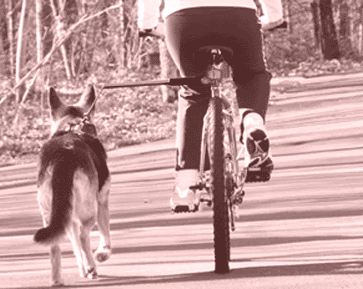
Who's dog does not like to go for a car ride?  I don't believe I am aware of a single dog amongst all my friends that does not like to go for a drive.  The one exception I know off is my Saluki, Mystic Moon.  He goes crazy for a bike run and not so much interested in driving in the car.  However, even if your dog doesn't care much for a drive, there will still be times when he has to go in the car and safety rules, just like for our kids and ourselves, also apply to our dogs.

So what has made me seek out, research, and share this topic?  Recently I visited a close friend in the hospital who was severely injured in a car accident that she admits was her fault because of her dog.  His head was hanging out the window, which makes my friend nervous that he will fall out so instead of paying attention to the road she was watching to ensure her dog does not fall out of the car.  She looked only for a second but that was all it took.  The family in the other car, including both parents and their 2 children were severely injured and hospitalized as well.  My friends dog was also injured and because the ambulance drivers tended to the people injuries first, her dog died at the scene of the accident.

I listened to my friend cry in the hospital bed at the fact that she was so stupid and insensitive - she knows how much her dog loves to hang his head out the window and she just wanted him to enjoy himself.  But this also made her inconsiderate of the safety of other drivers and the safety of her dog.


While in the waiting room of the hospital, I met the parents of the couple in the other car. I went to speak to them to see how the parents and kids were doing and as they cried the mother shouted at me and said, "You people and your damn dogs! It's all you care about even more than children!"  At the scene of the accident, my friend had admitted to the police that the accident was her fault and why. The police had communicated this to the parents of the car that was hit. I was gutted, and although an avid dog lover I could understand that woman's anger.
 

Being pet wellness savvy means knowing it is our responsibility to ourselves and others we share the road with, to ensure we follow the rules for safe driving.  Here are some things every dog owner must remember in order to contribute to safer roads, safer driving, and pet wellness.

1. Head hangers and jumpers
Dogs just love to hang their head and often times paws, out an open window and feel the wind in their hair and watch all that goes by.  If you are sure your dog won't jump - ever consider thinking again.  It has happened many times and the first thing the owner says is, "He hangs his head out the window all the time and he never jumped before!" You think your dog is too intelligent to do something we consider so stupid? Dogs don't think like us.  They are not aware of the many dangers and often times they become so interested in something they see they actually think they can make the jump - totally unaware that they can be hit by an on coming car or badly injured once they hit the pavement.

There are four main dangers with head hangers and jumpers. 
  •  The dog will injure himself in the jump. 
  • The dog is likely to be hit by an on coming car.
  • On coming cars, who try to avoid hitting a dog that has come out of nowhere is likely to have an accident with another car.
  • The driver, for fear the dog may fall out the window, keeps one eye on the dog and one eye on the road.  This can cause an accident.  Or a driver seeing his dog  fall or jump out the window, panics and causes an accident.
  • The dog can sustain eye injuries from flying particles in the air. This type of injury can cause corneal and ulcers in the eye.  Painful for your dog and heavy on the pocket book for vet care.
2.  Driver Distraction
Whether you care to admit it or not, dogs moving back and forth from one seat to another does distract the driver.  

Here are some things that can happen when the driver is distracted by a dog jumping around the car.
  • A dog jumping on the drivers lap while driving causes distraction and can limit the drivers view of the road.  Struggling to get the dog off the lap and struggling to see the road can cause the driver to have an accident
  • A dog moving freely around the car can cause distraction to the driver if the dog falls off the seat when the car comes to a stop, or if the driver has to stop suddenly.  How many times has another driver cut you off and you have to put on the breaks suddenly? Or even if your dog is nicely sitting in the front seat, not moving around, he can fall off the seat and although perhaps not a serious situation, this distracts the driver causing an accident.
  • Your dog could lose his footing due to the movements of the car and slam his head into the dashboard. According to my vet, this is more common than people think.
  • Medium to large size dogs can block the drivers view of the rear and side view mirrors.
3.  Car Lap Dogs
As much as you may hate to admit it, when a dog is sitting on the drivers lap while driving, it slows the drivers reaction time.  The drivers ability to drive efficiently and act quickly is impaired. It also limits the drivers view of the road and turning the steering wheel is also more difficult.

4.  Car Floor Movers
Many dogs and cats like to move around on the floor of the car.  Well what do you think can happen if your dog or cat moves onto one the foot pedals? Yes, not something you or your fellow drivers want to experience because this is a solid accident about to happen.  When this happens,  forget that the driver is not pet wellness savvy -  he is just plain inconsiderate and stupid.


5.  Airbags and your dog
Airbags and dogs don't do well together.  If an airbag is released it will seriously injure your dog.  It is for this reason amongst many others a dog needs to ride in the backseat of the car.


Obviously this is not limited to only a car.  The same goes for people that allow a dog to sit in the back bed of a truck while it's moving!

 Pet Wellness Car Safety Rules

Pet wellness car safety rules say you can make your dog's ride in the car safe for him, yourself and other drivers by simply restraining him properly in the back seat.  I know!  My friends tell me how hard it is because they like to pet their dog while driving or enjoy him sitting next to them or on their lap.  But, we don't let out kids drive unrestrained do we? They are in car seats or seat belts. Your dog, no matter how small, must be given the same rules when driving in the car. 

To properly restrain your dog in the back seat use a seat belt or car seat specially designed for dogs and come in various sizes. Your dog can still feel the wind from an open window but the window should not be down so far that he can hang his head out.  Dog owners who like to pet their dog while driving can still do so by reaching to the back seat - but this should be done only when the car is at a complete stop.


Pet wellness while driving advices safety first and pleasure later.  Do not allow your precious pet to be the cause of an accident- because at the end of the day, when the accident or injury happens it will not be your dog's fault it will be yours.  If your anything like my friend, you won't recover from knowing you were responsible for taking a life.


Dog Wellness - Hyperthyroidism

It's a common condition and most owners don't realize that this condition in fact does affect dogs.  The symptoms can be confusing causing dog owners to downsize the reality that something is wrong. Today, with our precious dogs in mind, dog wellness practices will bring to the attention of dog owners the condition of Hypothyroidism - the symptoms, how it is treated, and dog wellness practices once your pet returns home. 

Hypothyroidism is a disorder of the thyroid gland. This gland is responsible for producing and secreting thyroid hormone (thyroxine).  Thyroxine is the hormone  responsible for regulating the metabolic rate of many different tissues in the body. When hypothyroidism sets in, not enough thyroxine is produced, causing the metabolism of the different tissues to slow down.

Hypothyroidism is the most common hormonal disorder in dogs and often develops between the ages of 4 to 10 years, and more commonly with castrated males and spayed females. Certain breeds of dogs are prone to this disorder such as the Golden Retriever, Doberman Pinscher, Greyhound, Irish Setter, Dachshund, Miniature Schnauzer, Great Dane, Poodle, and Boxer.

Sign To Be Aware Of

Good dog wellness practices means being clued into the clinical signs, which are usually non-specific, and slow to develop.  There is no one symptom in which to recognize this disorder, however combined symptoms is what a vet will use to determine the possibility of the disorder in a dog. However, as a dog owner it is up to you to first recognize the signs so you can seek the attention of a vet. 

Symptoms to look out for
  •  Lethargy, increased sleeping time
  • Depression
  • Tires easily during exercise or is suddenly not interested in exercising at all.
  • Weight gain without an increase in food
  • Feeling cold or not liking the cold
  • Slow heart rate
  • Diarrhea
  • Infertility
  • Constipation
  • Dry skin, thinning of hair coat or excessive hair loss or slow growth of new hair
  • Neurologic signs
  • Hormonal abnormalities
Diagnosis

Unfortunately this disorder is not always straight forward to diagnose and various tests are required to get a diagnosis.  These tests include:
  • History of the dog
  • Clinical signs
  • A complete physical examination
  • Diagnostic tests
Treatment

Luckily hypothyroidism is treatable with daily doses of synthetic thyroxine administered daily, and usually for the remainder of the dogs life.

Dog Wellness At Home

Once the dog has been diagnosed and treatment has been subscribed, it is very important that the owner pay close attention to the dog over the course of each day.  Look for improvement in the clinical signs or no improvement at all.  Take care when medication is administered.  Over dosage can cause hyperactivity and weight loss and the owner must never decide on his own to increase the dosage.  The vet will have his own procedure for monitoring the dog such as scheduled blood tests in order to ensure dosage is of medication is adequate.

Prevention

There are no effective ways to prevent hypothyroidism.  The good news is that treatment works and most symptoms usually disappear with a 2-3 weeks.

With hyperthyroidism being a rather common illness amongst dogs and one that is not so easy to spot, it is important that dog owners take hold of dog wellness practices in order to gauge their dog's behavior, activity, and eating. Knowing how to help your dog, when to help him, and how to best nurture him back to health is a high standard of dog wellness practice and can ensure the happiness and well being of your dog. 

Pet Wellness - Laceration First Aid and Care

Pet wellness, particularly with dogs and cats requires that owners know how to deal with certain injuries regardless of how large or small.  Of course emergencies require the professionalism of a vet or a phone call to one.  However, smaller injuries can be treated at home successfully, ensuring the quick well being and comfort of your pet when injured with a laceration.

Lacerations are quite common in dogs and cats and are usually due to bite wounds, or cuts that happen in the yard from a sharp nail, or a worn out fence.  Pet wellness advise today will help you deal with lacerations calmly and confidently, so as to ensure your pets well being.  You will learn what medicines to give, what is safe and what is dangerous.

You will want to consider ensuring this information is printed and easily accessible for when you need it. Placing it in your first aid kit will it make user friendly in the case of a laceration emergency.

What is a laceration?

A laceration is simply a tearing of tissue.  The edges of the tear can be smooth, jagged or irregular. When a laceration occurs there can be damage to underlying tissues and structures.  Muscles, tendons, nerves and blood vessels can be damaged as well.  Needless to say, the deeper the cut the deeper the damage goes. 

Deep lacerations can cause brutal damage to underlying structures and this can often times be life threatening, where as minor trauma may only turn out skin damage. Contamination from debris, bacterial and dirt are often the cause for more serious damage and infection.

Common Causes of Lacerations
  • Cuts from glass or sharp objects
  • Rough wires and fencing
  • Being hit by a car
  • Jumping through a glass window (yes it does happen! Often when the animal is chasing something and doesn't realize that a door or window is not open but instead glassed off)
  • Bite wounds
Pet Wellness Home Treatment

The degree and depth of the laceration will dictate the treatment required.  Obviously if your pet has symptoms of bleeding heavily, not able to move or walk, is crying in pain, or the wound looks too deep then it is safe to assume the injury is serious and pet should be taken to the vet.  However, If you are not sure how serious the situation is and your pet does not have any of the above mentioned symptoms then you can phone your vet and describe the situation in order to see if the animal needs the attention of a vet or if you can treat his wound at home.

At Home Treatment for Minor Laceration
  • Asses the pets wound(s).  Take care not to bitten when assessing the wound. If pet is in pain he may nip or bite.  If so contact your vet. Do the emergency signs suggested above apply? If so, contact your vet immediately.
  • If wound is bleeding use a clean cloth and gently apply pressure to the wound.  Again, heed caution, as this may be painful to your pet.
  • If the wound is shallow, place your pet in a comfortable position and ensure you have good lighting.  Ask someone to hold a flashlight for you if necessary.  Clip carefully and slowly around the wound.  Avoid getting hair in the wound.  To do this use KY jelly in the wound to protect it while clipping.  The hair will stick to the jelly instead of the wound.
  • Evaluate the size and extent of the wound.  If deeper than the full thickness of the skin, or if it is bleeding profusely, or if the wound is longer that 1 inch then it is necessary to contact your vet as the wound will likely require suturing. 
IF, AND ONLY IF, YOU ARE NOT ABLE TO TAKE YOUR PET TO THE VET:

1. Flush wound heavily but gently with lukewarm water. A good way to do this if you can is to use a syringe.  Draw up the lukewarm water into the syringe and squirt it into the wound. This will remove any debris from the wound.  DO NOT ALLOW THE NEEDLE OR THE SYRINGE TO TOUCH YOUR PETS WOUND. You are using water pressure to remove debris from the wound. A turkey baster can also be used in place of a syringe.  Make sure the water pressure is gentle enough that it will not hurt or break the wound more.

2. While you are cleaning – you can better evaluate the wound. If the laceration appears superficial – you may be done with cleaning it. Dry the area around the wound.

If the wound is deep or draining – the best thing to do is see your veterinarian. Some deeper or draining wounds can benefit from a bandage. BE CAREFUL WITH BANDAGES.   Most bandages that veterinarians see that are applied by owners are done incorrectly and add damage to the wound.
  • Never make the bandage too tight
  • Apply a 4x4 bandage then wrap it with gauze.  Make sure the size of bandage is appropriate for the wound and the wound is properly covered avoiding any sticky  portion of the bandage on the wound.  Look for bandage material called TELFA.  TELFA is made with a substance that prevents the bandage from sticking to the wound.  Very important!
  • The TELFA bandage should be directly on the wound, then gauze wrap, followed by an outer wrap of Vetwrap.   Use a small strip of tape to help secure the outer bandage. 
  • Ensure the wrapping is not too tight by checking the toes of the pet every few hours for swelling.  If you notice swelling, loosen the bandage.
3.  Monitor the pet.  If the injury is minor the pet's activity should be normal with eating and drinking on a normal level.  The pet should not be experiencing vomiting, diarrhea, and having normal urine and bowel movements.

See the vet if:
  • The pet is vomiting
  • Has diarrhea
  • Acting lethargic
  • Not eating or drinking
  • Has difficulty breathing 
4.  Do not allow the pet to disturb or bother the wound.  Try and cover the wound or use an e-collar. An e-collar is a cone shaped collar that goes around the neck to prevent the pet from licking or chewing the wound or bandage. e-collars

At the start of this article I mentioned good pet wellness practices  require pet owners to have a first aid box for pet injuries.  Along with that, and in order to act as fast as possible, ensure the required bandages and collar are at your reach by housing them in your home for situations such as this. You don't want to be running around looking for the right bandages and collars at the time your pet needs you most.  So have it all ready in the event of a laceration injury.

Pet wellness means ensuring proper safety for your pet.  Keep a close eye on your yard and garage area and other place around your home your pet visits.  Make sure it is free of anything that can cause a laceration or any other type of injury to your pet.

Pet Wellness - Natural Pet Health Care for Sore Muscles & Joints

People living on the wellness side of life, and health professionals will be the first to tell you that exercise plays a major role in health and fitness for people and pets.  It has so many benefits with one of the best being that helps tremendously in having a longer more productive life.  And this is true for pets as well.  Strong pet wellness practices require that pets get regular exercise and that their treatment for sore muscles and joints is one of natural pet health care.


Instead of using drugs to help your pet with sore muscles and joints consider this natural pet health care avenue to soothe, heal, and strengthen.

Here are some of the natural pet health care remedies for soothing sore muscles and delay cartilage break down.

Glucosamine Hydrochloride 
An important supplement to add to your pet's diet. It helps to rebuild the cartilage and delay further cartilage breakdown.

Dosage:  1/4 of a 500 mg tablet once daily per 10 lbs of body weight.

Methylsulfonymethane.  MSM
A supplement found in some plants such as Horsetail. It acts as an antioxidant and reduces inflammation in the joints.

Dosage:
50 mg per 10 lbs of body weight daily.

Keep the Joints Mobile
Joint fluid will lubricate them helping with pain.  To get joint fluid keep your pet mobile.  If your pet is reluctant to move then manually flex and carefully and gently stretch the sore joint (s) for 5 minutes.  Gradually increase daily exercise.  

D-L Phenylalanine (DLPA)
An amino acid that works as a pain reliever.  Use as directed

Vitamins
Vitamins C and E may reduce some joint pain.

Dosage:
Vitamin E is dosed at 100 IU per 10 lbs of body weight.
Vitamin C is dosed at 100 mg.

Acupressure
Perform gently circular motions on the top inside of the ear.  This stimulates the back legs. Your pet will also love it, especially dog and cat. You can administer this technique several times a day.

People practicing pet wellness techniques and administering natural pet health care for illness and injuries are top doggies if you ask me.  When it comes to sore muscles and joints, these type of injuries have a high response to natural health care without the high cost of medicines and the toxins they include.  If you have a sports injury try acupressure instead of medicines and judge for yourself.  For your pet consider natural pet health care for a more vibrant, healthy, stronger and longer life.


Pet Wellness - A Natural Solution for Pet Anxiety

Our pet wellness chat today is a short one but offers an effective antidote for pet anxiety.  Your pet can suffer from anxiety for many different reasons ranging from vet visits, to toe nail cutting, to grooming visits, to loud noises.  Some breeds of dogs and cats are more prone to anxiety with the symptoms being more obvious to their owners and more stressful as well.

For pet anxiety consider Green Tea.  Yes, Green Tea!

L-theanine is an amino acid found in green tea.  Studies show that this amino acid offers tranquilizing effects in the brain without drowsiness.  This amino acid produces a calming effect by assisting the alpha and electrical brain wave activity that is present when in a relaxed state.

You can buy green tea capsules, open one up and pour the powder into your pets food.  You can also make a cup of green tea and put it in your pets food. 

Help eliminate anxiety in your pet by taking hold of this pet wellness advice  and offering green tea as a natural relaxant.

Pet Wellness - Second Hand Smoke and Your Dog

In this day and age we are well aware of the health hazards of smoking, as well as those from continuous second hand smoke.  A pet wellness area new on the horizon these days is second hand smoke, which has come about due to several studies showing  chronic exposure to second hand smoke also increases the incidence of lung disease and eye irritation in pets.  These studies show that pets living in poorly ventilated areas and exposed to second hand smoke, have a high incidence of nasal and lung cancer.

Short nosed breeds such as Shih tzu's, Bulldogs and Pugs are at a higher risk of lung cancer due to the area in which the cancer particles attach themselves. The cancer particles are able to pass into the lungs before attaching themselves. In long nosed breeds the cancer particles attach within the lining of the nasal passages.

The primary culprit of the above diseases is chronic exposure to second hand smoke in poorly ventilated areas - not second hand smoke alone.  With the harmful products found in smoke to be in the form of gas, it can take many hours for the smoke of a single cigarette to clear entirely.  Ventilation systems cannot entirely filter out tobacco smoke. 

Obviously for their own health all non smokers hope that smokers can find away to stomp out their habit of smoking - not an easy task we know, and many of us have friends and family that smoke and we watch them struggle as they desperately try to break their habit.  And yes, now there is another good reason to quit - it is hazardous to your pets. 

If you are a smoker and whether you are trying to quit or not, here are some pet wellness tips to help minimize your pets risk of nasal and lung cancer.  

1.  Help yourself and your pet even more by limiting your smoking to outdoors. I actually have friends that have found this tip to be an extra help to quitting.  When you can't smoke in your own personal comfort zone, while carrying on with tasks at hand, it can reduce the amount of cigarettes you smoke per day.

2.  Have a smoke free home, except for one room in which you smoke.  The room needs to be keep ventilated, because smoke travels, so in order for this to work the room needs to consistently ventilated, and the door of the room kept closed to help keep the smoke contained as much as possible.  If you own a dog such as a Saluki, or your pet has allergies, they can be extremely sensitive to second hand smoke, causing ear infections or ear agitation, itchiness and sneezing.

3. Consistent grooming will help to remove the smoke residue from your pets hair or fur. This is especially important in cats who lick and ingest the residue on their coats. Some veterinarians suggest vitamin C and other anti-oxidants to minimize the risk of cancer. 

A Couple of Facts about Nicotine

1.  The fact that nicotine alone is an extremely toxic poison often goes unmentioned. Nicotine is a poisonous alkaloid derived from the tobacco plant and used in medicine and as an insecticide. Not many people realize that nicotine is sold commercially in the form of a pesticide.

2.  Ironically, the dizziness and nausea that a person experiences after smoking their first cigarette is actually a very mild case of nicotine poisoning.

Nicotine Toxicity in Pets

It is important that you protect your pet from nicotine toxicity by ensuring you do not leave around anything that has nicotine in it, including cigarettes, buds, ash trays, patches, etc.  Even small amounts can induce toxicity symptoms.  In large amounts - and just how large an amount can depend of the breed, weight and health condition of your pet - can be fatal causing paralysis of the breathing muscles in as little as a few hours. Puppies who are curious and get into everything are at a higher risk of ingesting nicotine within a smokers home, whether it be cigarettes, or anything else nicotine related.  Make sure your trash is out of reach, especially when you leave your home.

If your pet ever exhibits any of the following symptoms, call your veterinarian.

Tremors
Weakness
Stumbling and/or in coordination
Depression
Hyperactivity
Lethargy (in high doses)
Fast breathing or difficulty breathing
Drooling
Dilated pupils
Vomiting
Diarrhea
Possible seizures
Collapse
Either bradycardia (slow heart rate), tachycardia (high heart rate) and/or cardiac arrhythmias

Pet Wellness is Preventative Care

The best prevention is to eliminate the source of nicotine. Keep cigarettes,  cigars, and all nicotine products out of the reach of your pets. This includes ashtrays, chewed nicotine gum and used nicotine patches. Remember, even ash and used products still have residual nicotine. The amount of ingestion required for toxicity is a lot higher than with the unused product, but the potential for toxicity is still there. Practice these pet wellness tips to protect against smoke dangers and keep your pet well protected against nasal and lung cancer - at the same time, you will be contributing to better health, longer life and cleaner air for yourself and the world around you.

See what Dr. Karen Becker and Dr. Mercola share with pet owners for the best strategy in holistic pet care.

Pet Wellness - Top Ten Pet Illnesses

Are you Pet Wellness Savvy?

Dogs and cats tend to get pet illnesses here and there, much of those illnesses depend on what runs in the breed, physical build, living conditions, and care and treatment by owner.  However even under the most perfect conditions, just like people there are some illnesses that dogs and cats are prone to have, some more often than others.

One of the most important aspects of being a responsible and aware pet owner is keeping pet wellness practices in gear.  Here is a list of the top ten pet illnesses for dogs and cats that will help you identify pet wellness areas to keep an eye out for and an approach to dealing with them. 

Top 10 pet illnesses for Dogs

1. ear infection
2. skin allergy
3. skin infection/hot spots
4. vomiting
5. diarrhea
6. bladder infection
7. arthritis
8. soft-tissue trauma
9. noncancerous tumor
10. eye infection 

Top 10 Pet Illnesses for Cats

1. lower urinary tract problems
2. vomiting
3. chronic renal failure
4. hyperthyroidism
5. diabetes mellitus
6. diarrhea
7. skin allergy
8. dental disease
9. ear infection
10. eye infection

So...what does this mean for you as a dog or cat owner? 
  • It means you need to have some idea of what symptoms occur with each of the above illnesses.  For example, being aware of dental disease symptoms, causes, preventions and treatments. Symptoms of ear of eye infections, preventions, causes and treatments.
  • It means knowing which of the above pet illnesses are most common in your breed of pet.
  • It means you should expect that you will have to take your dog or cat to the vet for some for some of the above illnesses and understanding it comes with the territory of owning a pet, and in order to have the illness diagnosed.  
When it comes to treatments of the above pet illnesses there are other equally good choices to over the counter expensive medicines, and conventional ways, which is why it is a good pet wellness practice to consider pet natural health care before seeking out expensive unsafe drugs for your pet.

As a pet owner you can make quite a savings on pet care by considering natural remedies prior to over the counter.  This is not to say that you need never visit the vet, but finding out the problem from a professional and then healing your pet at home before resulting to harsh over the counter expensive medicines.  It is no secret nowadays that going natural whenever possible is an added welcome to the human body.  It is no different for animals and pets alike. Pet natural health care is a healthy, vibrant, life sustaining way to treat your pet and yourself.

Dog Wellness - Pet Hair Helps with Oil Spill

How we love our pets, but usually pet hair is something most of us could do without, or at least could do without the hassle. Dog wellness this time around affects us all world wide not just dogs and their owners, as pet hair is priceless these days, and is making it's debut in assisting with an environmental disaster. Pet hair is assisting in the clean up of the oil spill.


Pet Wellness - New Seizure Remedy


Our pet wellness topic today is an important one for dogs and cats that suffer with seizures.  Seizures are common in dogs, less in cats and according to Dr. Andrew Jones, DVM, there is now an inexpensive amino acid that even has a scientific basis for being extremely helpful to dogs and cats that suffer from seizures. 

Taurine For Dogs Complimentary therapy for seizures may help decrease seizure activity for dogs and cats. Dr Jones says to discuss this option with your vet but he would certainly give it to his dog or cat suffering with seizures, as it is safe and has few side effects. 


Dosage


Dog: 400mg per 40lbs of body weight, PO twice daily.  
Cat: 500mg, PO twice daily.


For a more comprehensive look at pet natural health care / home remedies for  pet illnesses visit pet natural health care.